

Posts By :

Amanda Edwards

smart home

Smart Home Vulnerabilities: Why UK High-Net-Worth Households Need Cyber Security Insurance

Smart Home Vulnerabilities: Why UK High-Net-Worth Households Need Cyber Security Insurance 1000 497 James Hallam

With UK luxury homes increasingly dependent on smart technology, cyber threats are now a significant risk for high-net-worth households. This guide explains smart-home vulnerabilities, the rise of cybercrime targeting affluent families, and why specialist cyber security insurance is essential.

Luxury living in the UK increasingly means sophisticated smart-home systems, digital convenience, and interconnected technology. With this transformation comes a new type of exposure, cyber risk.

Where once criminals targeted physical access points such as windows and doors, today many attacks occur digitally through home networks, connected devices, and unsecured smart systems. For high-net-worth households, the financial and reputational stakes are significantly higher.

This guide explores the growing cyber threat landscape, why wealthy UK households are now prime targets, and how specialist cyber insurance protects against these evolving risks.

Smart Homes: Convenience with Hidden Vulnerabilities

UK luxury homes now incorporate a range of connected technologies:

  • Smart locks
  • Multi-room audio systems
  • Digital assistants
  • CCTV and security systems
  • Heating and lighting automation
  • Wi-Fi-enabled appliances
  • Children’s smart devices

Every connected device increases convenience but also creates an entry point for hackers.

When these systems sit on a single home network, a breach in one device can compromise all others, including personal data, private emails, and financial information.

Why High-Net-Worth UK Households Are Attractive Targets

Cybercriminals target affluent individuals for several key reasons:

  1. Greater financial capacity – Hackers view HNW households as more likely to pay ransoms or fall victim to financial fraud.
  2. Rich digital footprints – Affluent individuals often store sensitive personal, business, and financial data.
  3. Valuable digital assets – From investment accounts to cryptocurrency wallets, digital assets hold real monetary value.
  4. Sophisticated home systems – Smart security devices, if compromised, can be used to monitor, track, or access a property.

Common Cyber Threats Affecting UK Homes

High-net-worth households increasingly face:

  • Ransomware attacks on personal devices and home networks
  • Smart-home takeovers affecting cameras, lighting, gates, and alarm systems
  • Email interception and invoice fraud
  • Identity theft
  • Financial scams and phishing attacks
  • Unauthorised access to digital assets

These attacks are often automated and indiscriminate but the consequences for affluent families can be severe.

Why Standard Home Insurance Is Not Enough

UK home insurance policies typically do not include robust cyber cover. Where cyber protection is included, it is often limited and not designed for the needs of HNW households.

Specialist personal cyber insurance offers far broader and more meaningful protection.

What Specialist Cyber Insurance Covers

High-net-worth personal cyber insurance often includes:

  • Cybercrime & financial loss – Reimbursement for fraudulent transfers or cyber-enabled theft.
  • Ransomware & extortion management – Expert assistance and negotiation support.
  • Smart-home restoration – Including system reconfiguration and device replacement.
  • Identity theft assistance – Legal support and credit monitoring.
  • Data recovery – For family photos, documents, and digital media.
  • Reputational support – Public relations assistance if private information is leaked.
  • Family-wide protection – Cover extends to partners, children, and live-in staff.

For more tips on physical home security – read our article here.

Strengthen Your Home’s Cyber Protection

If your home relies on smart technology, or if you hold valuable digital assets, robust cyber insurance is essential. Please note that this protection cannot be arranged as a standalone product and is only offered within our high-net-worth household insurance portfolio.

If you have any concerns or queries on your insurance cover including cyber insurance, please don’t hesitate to speak to us. You can call any of the team on 0203 002 9859 or email pcl@jameshallam.co.uk.

row of records

Protecting Your Vinyl Collection: A Specialist Insurance Guide for UK Record Collectors

Protecting Your Vinyl Collection: A Specialist Insurance Guide for UK Record Collectors 1000 667 James Hallam

Vinyl has reclaimed its place at the centre of the UK music world. What was once considered a nostalgic medium has evolved into a thriving collector’s market, where rarity, condition and provenance can turn a £20 record into a four-figure investment. From first pressings and deleted sleeves to limited-edition coloured runs and signed jackets, the value of vinyl is growing at a pace many collectors never anticipated.

For high-value collectors, records often represent far more than musical enjoyment. They are cultural artefacts, passion projects, and financial assets rolled into one. As more collections grow in both size and value, so does the need to consider whether they are properly protected.

However, many UK collectors still rely on standard home insurance policies, often without realising that their records may not be covered at all. This guide explores why that gap exists, how to protect rare and valuable vinyl effectively, and how specialist insurance ensures your collection remains safe for years to come.

The Growing Value of Vinyl in the UK

Vinyl has experienced a remarkable resurgence over the past decade. Limited-run pressings often sell out within minutes, and collectors are increasingly willing to pay premium prices for rare or high-grade records. Early pressings from iconic artists, misprints, unusual label variations and imported editions regularly appear at auction, sometimes achieving unexpectedly high results.

A record’s condition has a significant influence on its value. Mint or near-mint copies, particularly those still in shrink-wrap or with original inserts, can be worth many times more than well-played versions. This rarity drives demand and strengthens the argument for protecting collections as you would any other appreciating asset.

With collectors now routinely spending thousands of pounds annually on rare records, it’s clear that vinyl has shifted from a nostalgic interest to a meaningful investment category.

Why Standard Home Insurance Is Often Insufficient

Many collectors assume that their vinyl library is simply another household possession. Unfortunately, this is rarely the case. Home insurance policies often include low value caps for individual items, along with broader exclusions that can leave vinyl collectors exposed.

Common issues include:

  1. Insufficient single-item limits: Single-item limits may sit far below the value of a rare record. A high-value first pressing worth £2,000, for example, might only be insured for £500 under a standard policy.
  2. Low total cover limits: Even if individual records are insured, the overall collection limit may be too low.
  3. Exclusions for collectibles: Some policies exclude items considered ‘for display or collection purposes.’
  4. Limited cover for accidental damage: many collectors are surprised to learn that accidental damage is not automatically included. A warped record, a torn sleeve or water damage from a leaking pipe may fall outside standard cover.
  5. Inadequate protection during transit: Standard cover often excludes damage occurring during transport.
  6. No cover for appreciation in value: Values can rise quickly, particularly after an artist’s passing or when a rare variant gains recognition.

For committed collectors, these gaps can be costly.

How Specialist Vinyl Collection Insurance Provides Proper Protection

Specialist insurance is different because it recognises the unique nature of vinyl collecting. Rather than treating the collection as a generic category, it provides cover tailored to the specific risks and values associated with records.

One of the biggest advantages is the ability to agree the value of your collection upfront. This creates certainty. If something is lost, damaged or stolen, you know what will be paid out. This is especially important for rare editions where market values can fluctuate.

A specialist policy can also protect against wider risks that standard home insurance may overlook. Transit cover, accidental damage, and protection during storage or loaning are often included as standard. For collectors who regularly transport records to fairs, restorers or storage units, this expanded protection is incredibly valuable.

Documenting and Valuing Your Collection

To secure the right level of cover, it’s helpful to build a clear record of what you own. A well-maintained inventory is invaluable, not only for insurance but also for future valuations, sales, or estate planning.

A good inventory typically includes details such as:

  • the artist
  • album title
  • pressing information
  • catalogue numbers
  • the condition of both vinyl and sleeve

Photographs add another level of clarity, and many collectors also keep written valuations for exceptionally rare items. Digital catalogue platforms such as Discogs can be useful tools for tracking purchases and identifying pressings.

For larger or more valuable collections, regular professional valuations are worth considering. The vinyl market moves quickly, and a valuation that was accurate three years ago may be significantly out of date today. Reviewing your insurance every year ensures your cover keeps pace with the market.

Preserving the Condition of Your Vinyl

Insurance provides financial protection, but preserving the condition of your collection helps maintain its value and reduces the likelihood of a claim. Good storage practices make an enormous difference to the longevity of vinyl.

  • Environmental control

Vinyl is sensitive to heat and humidity, and even a few hours of high temperatures can cause irreversible warping. Keeping your collection in a cool, stable environment away from direct sunlight is essential. Records should always be stored upright, not stacked, and heavy shelves or solid furniture can help support larger collections.

  • Protective sleeves

High-quality inner sleeves prevent static, dust and scratches, while thick outer sleeves protect artwork from wear and tear. A record-cleaning routine not only improves sound quality but also reduces long-term damage.

  • Secure packaging

For collectors who frequently move house, visit record fairs or loan items, careful handling and secure packaging are vital. Accidental damage in transit is far more common than many collectors realise- an issue that specialist insurance can address if properly arranged.

Why Working with a Specialist Broker Matters

Every vinyl collection is different. Some collectors focus on a single genre, some build extensive libraries across decades, and others concentrate on ultra-rare or investment-grade records. The right insurance must reflect this individuality. A specialist broker ensures that your policy is tailored precisely to the size, scope and value of your collection.

For high-value collectors, this personalised approach offers both clarity and peace of mind.

With James Hallam you can protect your vinyl collection as part of your high-net-worth household insurance portfolio

Get in touch for help and advice

If you have any concerns or queries on your insurance cover please don’t hesitate to speak to us.

You can call any of the team on 0203 002 9859 or email pcl@jameshallam.co.uk

Old antique books

Rare Books & Collectables: A Market for 2025 and Beyond

Rare Books & Collectables: A Market for 2025 and Beyond 1000 664 James Hallam

In a world ruled by screens, something surprising is happening: rare books are booming. As e-readers and digital platforms dominate, collectors are turning toward tangible, timeless works of literature and history. This revival isn’t just nostalgia, it is a recognition of the enduring power of physical books as both cultural artefacts and investment assets.

The digital paradox

The more we live in a digital age, the more we crave permanence. Digital files are fleeting, subject to updates, deletions, or obsolescence. A first edition of The Great Gatsby, by contrast, is both enduring and irreplaceable. The feel of the paper, the scent of old leather, the sight of a dust jacket that has survived a century. These are experiences technology cannot replicate.

Collectors know this, and the numbers prove it. The global rare book market is now estimated at $2 billion, and is projected to increase to $2.8 billion by 2033.

What is driving the market

Certain categories are leading the charge:

  • Modern First Editions: J.K. Rowling’s Harry Potter and the Philosopher’s Stone (1997), originally sold for £10.99, now commands upwards of £45,000. Recently an incredibly rare first edition of Tolkien’s The Hobbit sold at auction for £43,000.
  • Classic Literature: Early editions of Fitzgerald, Hemingway, Joyce, and Woolf are among the most reliable ‘blue-chip’ investments in the sector.
  • Manuscripts and Letters: Collectors are increasingly drawn to unique, personal artefacts – Austen’s correspondence, Wilde’s prison letters, Churchill’s wartime notes.
  • Emerging Collectables: Works by contemporary authors like Margaret Atwood, Salman Rushdie, and even collectible graphic novels such as Maus and Sandman are creating new categories of demand.

Beyond financial appreciation, rare books offer display value and cultural status. A carefully curated shelf can be as much a statement piece as fine art.

The responsibilities of collecting

As with silver, collecting rare books requires care and expertise. Authentication is critical -first editions can hinge on tiny details like misprints or publisher identifiers. Condition is equally important. A dust jacket can account for as much as 80% of a 20th-century book’s value, making preservation vital.

Books must be stored in controlled environments with stable temperature and humidity. Protection against light, pests, and pollutants is essential, as is professional conservation when restoration is needed.

Serious collectors must think about risk management. Specialised insurance policies, professional appraisals, and secure storage facilities are integral to protecting collections that can easily be worth tens of thousands.

Looking to the future

The rare book market is set to evolve in fascinating ways:

  • Demographics: Millennials and Gen Z collectors are increasingly drawn to physical authenticity. They are also broadening the scope of what is valued, placing greater emphasis on diverse voices, women authors, and global literature.
  • Technology: Far from replacing rare books, digital tools are enhancing the market. Online auction platforms, bibliographic databases, and even AI-powered analysis are making it easier to verify, trade, and value collections.
  • Institutions and Investors: Universities, museums, and private foundations are aggressively pursuing acquisitions, while wealthy individuals are increasingly treating books as part of a diversified investment portfolio.

Why collectors keep coming back

Rare books are more than financial assets. They are physical connections to history, creativity, and human thought. Whether it is a medieval manuscript, a Shakespeare folio, or a first edition of To Kill a Mockingbird, these objects embody our cultural heritage.

For investors, they also represent diversification. An asset class largely uncorrelated with traditional markets. But for collectors, the real return is something deeper: the joy of holding history in your hands.

At James Hallam, we understand that rare books are more than possessions. They are legacies. Our specialised insurance solutions protect these treasures ensuring that whether you own a single beloved volume or a comprehensive collection, your books will endure for generations to come.

Get in touch for help and advice

If you have any concerns or queries on your insurance cover please don’t hesitate to speak to us.
You can call any of the team on 0203 002 9859 or email pcl@jameshallam.co.uk

Scotch whiskey bottle

Whisky as an Investment – Collecting the Water of Life

Whisky as an Investment – Collecting the Water of Life 1000 663 James Hallam

For centuries, whisky has been celebrated as a drink to savour, a glass shared with friends, a marker of special occasions. But in recent years, it has become something more: an investment class in its own right. Rare bottles and vintage casks now sell for six-figure sums, and investors are increasingly treating whisky as seriously as fine art, classic cars, or Bordeaux wine.

From dram to asset

The shift didn’t happen overnight. In the 1960s and 70s, wealthy individuals began quietly purchasing casks for private enjoyment. By the 1990s, collectors were turning their attention to bottles from distilleries that had long since closed, like Brora or Port Ellen. When Japanese whiskies such as Hanyu and Yamazaki burst onto the scene in the early 2000s, the market began to take global shape.

Fast forward to today, and whisky has fully crossed into investment territory. Dedicated auction houses run specialist sales, investment funds now offer whisky portfolios, and global indices track the market’s performance. In the past decade alone, whisky prices have grown at rates of 15–20% annually, putting the market’s global value at around £10 billion.

What drives value

Like any alternative asset, whisky’s value depends on scarcity, quality, and story. Some of the most important drivers are:

  • Closed distilleries. Bottles from Port Ellen or Brora, long since shuttered, command extraordinary premiums.
  • Age and maturity. The longer the whisky rests in cask, the rarer and more valuable it becomes.
  • Critical acclaim. Glowing reviews from respected publications can elevate bottles into collector territory.
  • Packaging and provenance. Original boxes, intact labels, and certificates make a tangible difference to value.

Global tastes, global markets

One of the most fascinating aspects of whisky investment is how preferences vary across the world:

  • Scotland. Macallan continues to set records, while Islay’s peated whiskies inspire cult-like devotion.
  • Japan. Yamazaki and Hanyu dominate headlines, with boutique producers like Chichibu becoming instant collector favourites.
  • Emerging regions. From American bourbon to Irish single pot stills, and newer entrants in Taiwan, India and Australia, global expansion is fuelling new opportunities.

How whisky performs

The numbers speak volumes. The Rare Whisky Icon Index has risen nearly 500% since 2008, outperforming the FTSE 100, fine wine, and even classic cars. Japanese whisky has been the standout, showing almost 600% growth over the same period. Importantly, whisky’s correlation with traditional assets is low, making it a powerful tool for diversification.

Of course, performance has not been without bumps. During the 2008 financial crisis and again in the early months of the COVID-19 pandemic, prices dipped. But both times the market recovered swiftly, reinforcing whisky’s reputation for resilience.

More than a drink

What makes whisky unique as an investment is that it combines craftsmanship, heritage, and culture in a way few assets can. Each bottle tells a story of a place, a distillery, sometimes even a single cask and collectors aren’t just buying liquid in a glass, but a piece of history.

The water of life has always carried meaning. Today, it carries financial weight too. For those willing to look beyond traditional assets, whisky may prove not just a pleasure to drink, but a portfolio’s secret ingredient.

Get in touch for help and advice

If you have any concerns or queries on your insurance cover please don’t hesitate to speak to us.
You can call any of the team on 0203 002 9859 or email pcl@jameshallam.co.uk

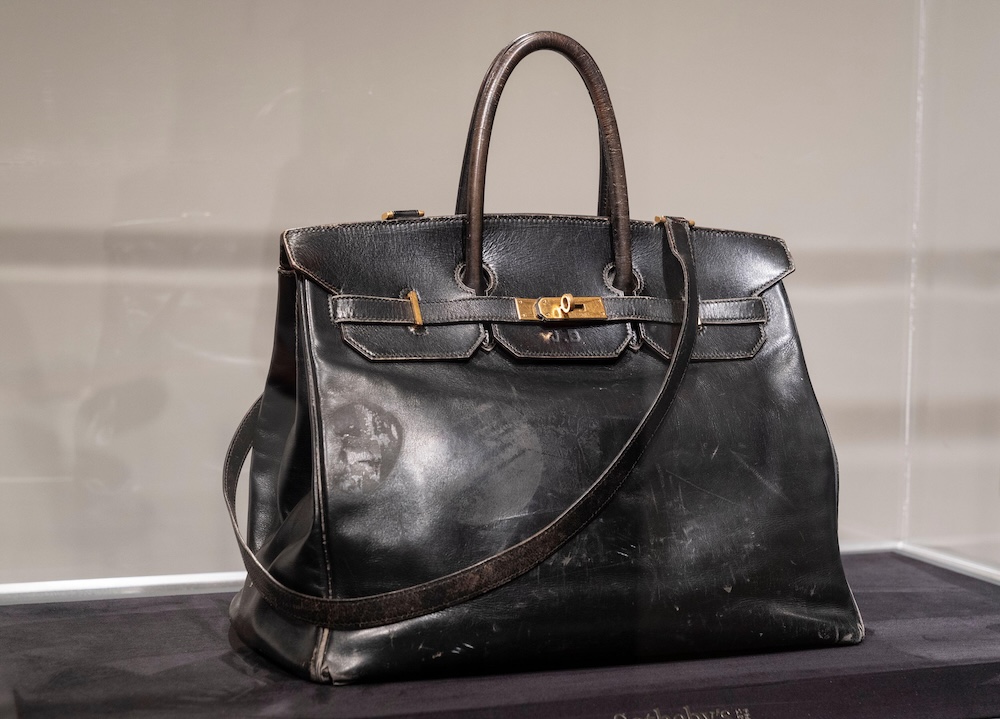
Original Hermes Birkin Bag, 2025 Credit: Lev Radin/Alamy News Live

Birkin No.1 – The Birth of a Cultural Icon

Birkin No.1 – The Birth of a Cultural Icon 1000 719 James Hallam

When Sotheby’s sold Jane Birkin’s own Hermès Birkin bag in 2025, it wasn’t just another high-profile auction. It was history. The original Birkin bag achieved a record-breaking £1.8 million. For collectors, it was the ultimate symbol of fashion crossing the line from accessory to blue-chip asset.

A bag born from chance

The Birkin’s origin story is one of those rare fashion legends that feels almost too good to be true. In 1983, Jane Birkin found herself on a flight from Paris to London, seated next to Jean-Louis Dumas, then CEO of Hermès. Frustrated with her handbag’s lack of practicality, she confessed her wish for something more functional yet elegant. Dumas listened. Within a year, the Birkin was born.

That first version was a 35cm bag, crafted in natural leather with palladium hardware, its spacious interior making it as useful as it was beautiful. Jane carried it everywhere — to film premieres, markets, even on casual errands. Over time it developed the patina and wear that only comes from a life truly lived, making it even more fascinating to collectors.

From utility to investment

What started as a practical handbag evolved into the most coveted accessory in the world. Hermès played a key role in shaping its mystique. By limiting production, training only select artisans, and allowing only a handful of clients access each year, the Birkin became synonymous with exclusivity. Waiting lists stretched for years.

Celebrity culture amplified the allure. Victoria Beckham famously built a collection of over 100 Birkins, while Kim Kardashian’s posts showcasing rare versions reached millions. The bag became a fixture in popular culture, appearing on red carpets and even scripted into “Sex and the City.”

But beyond the glamour, the numbers speak for themselves. Studies have shown Birkins appreciating at an average annual rate of more than 12% – outperforming gold, stocks, and fine art at times. Rare models, especially those in exotic leathers or unusual colours, have sold for hundreds of thousands of pounds.

What drives value

Not every Birkin is destined for seven figures. Professional valuers look at a mix of factors:

  • Size – the smaller 25cm models often command the highest premiums.
  • Leather – cocodile, ostrich, and alligator add significant multiples to value.
  • Colour – neutrals like black and tan are highly liquid, while rare shades such as Rose Tyrien carry hefty premiums.
  • Condition – a store-fresh Birkin can fetch double one with heavy wear.

The no.1 sale – a market milestone

When Jane Birkin’s own bag came to auction, it was always going to draw attention. Provenance matters in luxury, and this was the genesis piece of an entire collecting category. Estimated at £800,000 – £1.2 million, it soared to £1.8 million after a tense 12-minute bidding war with international buyers on the line.

For the market, the sale did more than set a record. It validated what collectors and investors already knew: the Birkin is not just a handbag, it is an asset class.

Looking ahead

The Birkin market continues to evolve, shaped by:

  • New generations of collectors, particularly Millennials and Gen Z, who view Birkins as investments first.
  • Digital innovation, from blockchain certificates to AI-driven valuation platforms.
  • Global demand, with Asia and the Middle East emerging as particularly influential markets.

Jane Birkin’s £1.8 million sale proved the handbag’s dual role as cultural icon and financial instrument. For discerning collectors, the real question now isn’t whether a Birkin is worth investing in – it’s how it fits into the portfolio of the future.

Get in touch for help and advice

If you have any concerns or queries on your insurance cover please don’t hesitate to speak to us.
You can call any of the team on 0203 002 9859 or email pcl@jameshallam.co.uk

Dedicated Claims Advocacy That Makes the Difference

Dedicated Claims Advocacy That Makes the Difference 1000 667 James Hallam

When life takes an unexpected turn, the true test of your insurance is not in the policy – it is in the claims service that stands behind it. At James Hallam Private Clients, claims handling is not outsourced or left as an afterthought. Our in-house team is built into the very heart of what we do, making up around 10% of our workforce. That is a scale and level of specialism that sets us apart from brokers without a dedicated claims function.

A specialist claims function built around you

  • Not an add-on: Our claims team is a core part of our model, not an optional extra.
  • Deep insurer relationships: Decades of collective experience and direct contacts with senior underwriters mean we can escalate matters quickly.
  • True partnership with brokers: Your Private Client Executive can focus on placing and protecting your cover, knowing we will stand shoulder to shoulder with you when things go wrong.

Working hand in hand with our brokers

Our claims team does not just manage paperwork – we partner directly with our Private Client brokers to secure the best outcomes.

Take a recent high-value loss (anonymised here). The claim was complicated by a late notification, which could easily have prejudiced the insurer’s position. Our claims team maintained regular contact with the client, ‘fighting their corner’. We managed to increase the settlement offer on one significant item and continue to press on another. Crucially, we worked with the placing broker – who leveraged their underwriter relationships – to push for a better overall settlement. That seamless collaboration is only possible when your broker has a dedicated, specialist claims team working side-by-side.

The breadth of claims we manage

From a collapsed drain claim settled at just £172 to major storm-related water ingress exceeding £125,000, through to fires, jewellery thefts, and liability incidents, the Private Clients claims team at James Hallam is trusted to manage a uniquely varied portfolio. Each case, large or small, gets the same meticulous attention.

Why a dedicated claims function matters

Many brokers stop at placing cover and simply pass claims back to the insurer. At James Hallam, we know that is where clients need us most. Our dedicated Private Client Claims Team offers a true in-house advocacy service, making the difference between a frustrating process and a positive resolution.

Here is how that plays out in practice:

  • Faster turnaround: we do not sit back and wait for updates. Our handlers pick up the phone to loss adjusters and underwriters, pushing for action when claims risk stalling.
  • Clear communication – insurance jargon can feel impenetrable. We break down exclusions, limits, and technical wording into plain English.
  • Evidence collation & preparation- clients often do not know what level of detail insurers require. We step in to gather valuations, photos, invoices and timelines, formatting them into professional evidence packs and where possible fielding questions and requests without having to trouble the client. In a six-figure jewellery theft, this preparation meant the loss adjuster could validate the claim quickly, avoiding weeks of back-and-forth.
  • Shielding clients in liability claims – when third parties are involved, clients can feel vulnerable. Our team guides in the appropriate responses and communications to third parties, liaising with solicitors, and protecting our clients from direct confrontation.
  • Uninsured loss recovery – if a loss which is not your fault falls within your excess, we can help you in preparing and presenting a claim to the responsible party.
  • Leveraging broker-insurer relationships – that is how we have increased settlement offers, persuaded insurers to accept client-preferred suppliers, and turned ‘no’ into ‘yes’.
  • Personal advocacy, every step – we are relentless advocates, ensuring our clients feel supported and never alone during the claims process.

Meet the team behind the advocacy

The team combines technical expertise with empathy and persistence, ensuring clients feel supported at every stage.

Savannah Armitage, Team Leader (Ipswich): Chartered Insurance Institute and BDMA qualified, Savannah is the principal handler for Private Client claims. With extensive experience across liability, property and motor, she has managed major losses involving high-value property, artwork, jewellery and international assets.



Jenna Warman (London): Based close to our London Private Client team, Jenna brings extensive property loss expertise and London Market experience, with a strong advocacy background in negotiating with insurers and loss adjusters.



Amelia Collings (Ipswich): The first of our in-house Claims Academy, she is progressing along the CILA route. Despite her early career stage, she has already delivered fantastic results for clients, including securing significantly enhanced settlements.




Real success stories – how we add value

We see a huge range of claims – from lost jewellery items to major fire and storm damage losses, through to complex liability disputes.

  • High-value jewellery theft: A client’s collection worth six figures was stolen in a targeted burglary. By coordinating valuations, pushing for recognition of sentimental value and ensuring their chosen jeweller was accepted by insurers, we secured a settlement of over £109,000 paid directly to their preferred supplier.
  • Bracelet loss: An insurer initially proposed £8,000 based on valuation. We fought for market comparable, obtained a specialist quote, and secured a cash settlement of £18,900 – more than double the starting offer.
  • International property fire: When a dehumidifier caused fire and smoke damage abroad, we worked across markets and jurisdictions to keep the claim moving. We coordinated with overseas adjusters, chased building insurers, and pushed through delays until a £46,000+ settlement was agreed.
  • Third-party liability: A gate collapsed onto a passing vehicle, exposing our client to a potential liability claim. We immediately stepped in to shield the client from direct correspondence, took control of communications with the injured party’s representatives, and ensured liability was properly investigated and defended.

That is the James Hallam difference – dedicated claims specialists, embedded within Private Clients, ensuring our brokers can focus on what they do best while our clients receive the very best in claims advocacy.

wasps nest

Pest Prevention and Protection: Safeguarding Your High-Value Properties

Pest Prevention and Protection: Safeguarding Your High-Value Properties 1000 667 James Hallam

When we think of risks to our home we may think of fire, flood, or theft. Yet one of the most overlooked threats comes from something much smaller but no less damaging: pests. From mice chewing through wiring in heritage properties to wood-boring insects weakening period timber beams, infestations can cause significant financial, health, and reputational harm if they aren’t dealt with quickly.

In this article we look at why pest prevention matters for your valuable assets, the signs to watch for, and the practical steps you can take to keep your property safe, pest-free, and protected.

Or you can view our brochure on here: Pest Prevention and Protection.

The hidden costs of pests in properties

It is easy to underestimate how much impact a few pests can have on your property, but once they have made themselves at home, the costs can mount quickly and reach substantial sums. Rats and mice gnaw electrical wiring raising fire risks that could result in losses of hundreds of thousands of pounds, while woodworm and other beetles can weaken original timber floors, period furniture, and heritage building elements worth significant amounts. Beyond structural concerns, rodents spread diseases like leptospirosis, cockroaches are linked to asthma and allergies, and even bedbugs and fleas can trigger secondary infections that create health risks for occupants.

Why winter is a critical season for premium properties

Although pests can appear year-round, autumn and winter bring extra risks. As temperatures fall, rodents, spiders, and insects seek warmth indoors. Lofts, garages, and wall cavities make perfect shelters.

For owners of country houses and estates, this means being extra vigilant when the cold sets in. Seal gaps, store food securely, and keep clutter to a minimum. For landlords, seasonal inspections or even a professional pest control contract, are well worth the investment to protect valuable assets.

Pest problems signs in your property

Here are some of the most common signs to look out for:

  • Bees ans wasps: increased number of bees and wasps in a specific area, visible entry points such as holes or cracks in structures, and the presence of buzzing sounds.
  • Rodents: droppings in cupboards, gnawed food packaging, scratching at night.
  • Insects: trails of ants in kitchens, clusters of small holes in timber, or moth damage to fabrics and furnishings.
  • Spiders and silverfish: usually found in damp or undisturbed areas like lofts, wine cellars, or basements.
  • Moths: tiny holes in clothing, textiles, or carpets, often with webbing or larvae nearby.

Make it a habit to check storage areas, lofts, and less-used corners regularly, especially in winter. For larger properties or multiple holdings, consider professional inspection services.

Proactive steps to reduce your risk

  • Seal entry points: block gaps around doors, windows, pipes, and rooflines – particularly important in period properties with traditional construction methods.
  • Stay clean and tidy: store food in sealed containers, clear up crumbs quickly, and take rubbish out regularly.
  • Control moisture: pests love damp conditions – fix leaks and use dehumidifiers in basements, wine cellars, and period buildings prone to moisture issues.
  • Schedule regular checks: keep an eye on lofts, garages, cellars, and outbuildings. For multiple properties, consider systematic inspection schedules.
  • Call in the experts: for serious infestations, a professional pest control service with experience in high-end properties is the safest solution.

Taking action now to protect your home

Pest prevention can make a significant difference to your safety, finances, and peace of mind. A clean, pest-free home is healthier, easier to insure, and more enjoyable to live in – while maintaining its value.

By staying proactive – sealing gaps, keeping food secure, reducing clutter, and scheduling inspections – you will be protecting your home from avoidable risks.

Get in touch for help and advice

If you have any concerns or queries on your insurance cover please don’t hesitate to speak to us.
You can call any of the team on 0203 002 9859 or email pcl@jameshallam.co.uk

interior design walk in closet

Fashion’s Shifting Value – Why Your Wardrobe May Be Underinsured

Fashion’s Shifting Value – Why Your Wardrobe May Be Underinsured 1000 667 James Hallam

When most people think about wealth, they picture property portfolios, fine art collections, or perhaps a cellar of rare wines. Increasingly, however, another category is stepping into the spotlight: wardrobes. Clothing, shoes, and handbags are no longer just expressions of taste, they are significant financial assets. Yet, despite their rising values, many clients remain underinsured, leaving themselves vulnerable in the event of a total loss.

Fashion as an investment class

The idea of clothes and accessories as investments may once have sounded frivolous. Today, it’s anything but. The global luxury resale market is booming, valued at around $32 billion in 2022 and set to be worth more than $52 billion by 2026. Platforms like Vestiaire Collective and The RealReal have normalised buying and selling designer goods, while a new generation views luxury fashion not as a depreciating indulgence, but as an appreciating asset.

Handbags are among the most striking examples of this shift. A Hermès Birkin, once bought and tucked away in a wardrobe, can now command several multiples of its original purchase price. Chanel’s Classic Flap has surged in value over the past decade, while Dior’s couture ensembles and rare McQueen pieces frequently achieve six-figure sums at auction. Even sneakers, once dismissed as everyday wear, have crossed firmly into the category of collectible assets, with certain limited editions fetching thousands of pounds.

This transformation has changed how wardrobes should be viewed: not merely as personal effects, but as collections that, in financial terms, can rival wine cellars or art portfolios.

Why underinsurance is so common

Common issues include:

  • Outdated valuations – Many policies still record items at their purchase price rather than today’s market value. A pair of designer shoes or a handbag bought for £5,000 a few years ago might be worth double or triple that now, yet the insurance schedule has not kept pace.
  • Caps on personal effects – Home insurance contents policies will have a set limit of cover for clothing and accessories and will include an individual item limit. This cover may be inadequate for wardrobes containing multiple handbags, couture, or luxury shoe collections.
  • Limited portability. Many policies restrict cover once an item leaves the home, yet luxury fashion is meant to be worn, at events, on travels, even on loan.
  • Lack of specialist expertise – General contents policies are not designed with fashion in mind, and without accurate, independent valuations, insurers may rely on incomplete or outdated information. This can lead to settlements that fall far short of the true replacement or resale value of a collection.

The cumulative effect is that many clients are left unknowingly underinsured, despite believing their contents policy is sufficient.

How to protect your wardrobe

The luxury resale market shows no sign of slowing. Designers are deliberately limiting production to fuel scarcity, while vintage pieces gain cultural cachet through celebrity endorsement and social media visibility. Emerging designers are already achieving collectible status, and categories like sneakers and streetwear continue to expand. So what can you do to protect your wardrobe?

Commission proper valuations

Independent fashion valuers can provide detailed, up-to-date assessments that reflect secondary market demand, condition, rarity, and provenance. This ensures your insurance reflects true market value rather than outdated purchase prices. For significant collections, valuations should be refreshed annually.

Implement risk management practices

Complementary steps such as secure storage, photographic documentation, and digital inventories can streamline claims processes. Clients should also exercise discretion in what is shared publicly online, reducing exposure to opportunistic theft.

Choose high net worth insurance

High-net-worth policies go far beyond the limits of standard contents cover. Key features may include:

  • Agreed value settlements – giving certainty over what will be paid in the event of a claim.
  • Worldwide cover – essential for clients who travel with their wardrobes.
  • Automatic appreciation provisions – recognising that items can rise sharply in value between valuations.
  • Pairs and sets cover – ensuring a collection retains its integrity if one piece is lost.

For high-net-worth individuals, wardrobes have become part of the alternative asset landscape, sitting alongside art, jewellery, and wine in terms of both value and importance. Protecting them requires the same diligence and specialist approach. This is where we can make a real difference by ensuring your wardrobe is accurately insured to reflect its true value.

Get in touch for help and advice

If you have any concerns or queries on your insurance cover please don’t hesitate to speak to us.
You can call any of the team on 0203 002 9859 or email pcl@jameshallam.co.uk

When did you last look at your insurance portfolio?

When did you last look at your insurance portfolio? 1000 667 James Hallam

As our lives evolve, so too do the risks and responsibilities that come with them. Yet amid the pace of daily life, reviewing your insurance portfolio is often pushed to the bottom of the list. Just as you would revisit your financial planning, tax position or legal affairs each year, it is worth checking to make sure that your insurance is still doing what you need it to.

A regular review is a key part of managing your personal and financial wellbeing.

Life changes. So should your cover.

It is easy to assume that once your insurance is in place, you can set it aside and forget about it. But the reality is that cover which made perfect sense a year or two ago may no longer reflect your current circumstances.

Think about the changes that might have taken place over the past 12 months:

  • Have you purchased, renovated, or sold property?
  • Have you acquired valuable items such as artwork, jewellery, or vehicles?
  • Has your family situation changed?

These are just a few examples of life events that could impact your risk profile. Without adjusting your insurance to account for them, you may be unknowingly underinsured, or paying for cover you no longer need.

The risk of being underinsured

Underinsurance does not always reveal itself until a claim is made and by then, it may be too late. A property that has risen in value, a high-spec renovation, or an overlooked asset can all create shortfalls if your policy limits have not been updated accordingly.

It is not only about physical assets. Think cybercrime, personal liability or legal exposures – it is also about ensuring your policies reflect the world we live in today.

Even the best policies can fall out of step if left unchecked.

A review is not a chore, it is a sensible habit

An insurance review does not need to be time-consuming or complicated. In fact, it is often a straightforward process that provides valuable clarity and confidence.

Importantly, it also gives you the opportunity to better understand what is covered, what is not covered and where changes might offer more suitable protection. It is not always about adding more cover – it is about making sure the cover you have is appropriate, proportionate, and relevant.

For individuals with more complex arrangements such as multiple properties, collections, business interests or trusts, this becomes even more important. A review can highlight overlaps, gaps or inefficiencies that are otherwise easy to miss.

Making time for peace of mind

Ultimately, reviewing your insurance portfolio is about staying in control. It is a small effort that can make a significant difference when it matters most. In a world where change is constant, doing so annually is a practical way to stay one step ahead.

When did you last look at your insurance portfolio? If it has been more than a year, or if you have experienced any changes in wealth, lifestyle, or responsibility, it may be time for a second look.

You can call any of the team on 0203 002 9859 or email pcl@jameshallam.co.uk.

The Unmissable Art Exhibitions in the United Kingdom This Summer

The Unmissable Art Exhibitions in the United Kingdom This Summer 1920 1402 James Hallam

As the summer of 2025 unfolds, the United Kingdom’s art scene offers a diverse array of exhibitions that cater to a wide range of artistic tastes. From contemporary installations to classical masterpieces, these exhibitions provide enriching experiences for art enthusiasts and casual visitors alike. Below is a curated selection of noteworthy exhibitions to explore this season.

Royal Academy Summer Exhibition 2025, London

The Royal Academy’s Summer Exhibition, now in its 257th year, continues its tradition of showcasing contemporary art from emerging and established artists. This open-submission exhibition features a variety of mediums, including painting, sculpture, photography, and architecture. The exhibition runs from 17 June to 17 August 2025.

More information

Do Ho Suh: Walk the House, Tate Modern, London

South Korean artist Do Ho Suh presents ‘Walk the House’, an immersive installation at Tate Modern. Using translucent fabric, Suh recreates architectural spaces from his past, inviting visitors to reflect on themes of home and memory. The exhibition is open until 19 October 2025.

More information

Rachel Whiteread at Goodwood Art Foundation, West Sussex

Renowned sculptor Rachel Whiteread inaugurates the Goodwood Art Foundation with an exhibition that blends indoor and outdoor artworks. Her sculptures, including a concrete cast of a shed, are displayed within the estate’s 70-acre landscape. The exhibition runs from 31 May to 2 November 2025.

More information

Siena: The Rise of Painting 1300–1350, National Gallery, London

This exhibition at the National Gallery explores the development of painting in Siena during the early 14th century. Featuring works by artists such as Duccio di Buoninsegna and Simone Martini, the exhibition offers insights into the artistic innovations of the period. It is on view until 22 June 2025.

More information

Cartier: The Story of Style, Victoria and Albert Museum, London

The Victoria and Albert Museum presents an extensive exhibition on Cartier, showcasing over 350 pieces of jewellery, watches, and decorative objects. The exhibition traces the evolution of Cartier’s design and craftsmanship. It is open until 16 November 2025.

More information

Hiroshige: Artist of the Open Road, British Museum, London

This exhibition at the British Museum focuses on Utagawa Hiroshige’s depictions of travel and landscapes in 19th-century Japan. Through prints and drawings, visitors can explore the artist’s portrayal of the changing Japanese environment. The exhibition runs until 7 September 2025.

More information

Anselm Kiefer: Early Works, Ashmolean Museum, Oxford

The Ashmolean Museum presents an exhibition of early works by German artist Anselm Kiefer. The exhibition offers a comprehensive look at Kiefer’s formative years and his exploration of history and mythology. It is on view until 15 June 2025.

More information

Victor Hugo: The Visionary, Royal Academy of Arts, London

Beyond his literary achievements, Victor Hugo was also a prolific visual artist. This exhibition at the Royal Academy showcases his drawings, revealing his imaginative and often surreal artistic vision. The exhibition is open until 29 June 2025.

More information

Edwardians: Age of Elegance, The King’s Gallery, Buckingham Palace, London

This exhibition explores the opulence and cultural shifts of the Edwardian era through a collection of over 300 objects from the Royal Collection. Highlights include works by artists such as John Singer Sargent and jewellery by Carl Fabergé. The exhibition runs until 23 November 2025.

More information

Liliane Lijn: Cosmic Dramas, Tate St Ives, Cornwall

Tate St Ives presents the first UK retrospective of artist Liliane Lijn, featuring her explorations of light, movement, and language. The exhibition includes sculptures, drawings, and installations that reflect Lijn’s interest in science and mythology. It is on view until 2 November 2025.

More information

These exhibitions offer a rich tapestry of artistic expression, providing opportunities to engage with art across different periods and styles. Whether you are interested in contemporary installations or historical masterpieces, the United Kingdom’s art scene this summer has something to offer every visitor.