

Posts By :

Amanda Edwards

car in snow

How to Drive in Ice and Snow: Our Top Tips for Driving Safely

How to Drive in Ice and Snow: Our Top Tips for Driving Safely 550 367 James Hallam

Winter driving can be a challenge for even the most experienced motorists. Snow and ice create slippery roads, reduced visibility, and an increased risk of accidents. If you are not prepared, a simple journey can quickly become hazardous. As an insurance provider, we want to ensure you stay safe on the roads this winter.

Here are our top tips to navigating icy and snowy conditions with confidence and care.

  1. Preparing Your Vehicle for Winter

Before you even think about driving in winter weather, make sure your vehicle is ready for the conditions.

  • Check Your Tyres: Winter tyres or all-season tyres with sufficient tread (at least 3mm) provide better grip on icy roads. Regularly check your tyre pressure, as cold weather can cause it to drop.
  • Top Up Fluids: Ensure your windscreen washer fluid is rated for freezing temperatures and your coolant is at the right level.
  • Battery Health: Cold weather can drain your car battery, so check its condition, especially if it is more than three years old.
  • Pack an Emergency Kit: Keep essentials like a scraper, de-icer, blanket, torch, and jump leads in your car. Add non-perishable snacks and water for longer journeys.
  1. Plan Journeys Ahead

When snow and ice are in the forecast, careful planning can make all the difference.

  • Check the Weather: If conditions are severe, consider postponing your journey. No trip is worth risking your safety.
  • Plan Your Route: Stick to major roads that are more likely to be gritted and cleared. Use navigation apps to check for real-time updates on road closures or traffic delays.
  • Allow Extra Time: Leave early to avoid rushing and account for slower travel speeds.
  1. De-icing and Warming Your Car Fully

Getting your car moving on icy roads can be tricky, so take your time.

  • Clear Your Vehicle: Fully de-ice your windscreen, windows, mirrors, and lights before setting off. Driving with limited visibility is dangerous and illegal.
  • Warm Up Gradually: Avoid revving your engine when it is cold. Instead, let it warm up slowly to avoid wear and tear.
  • Set Off Gently: Use second gear when starting off on ice to reduce wheel spin, and ease up on the clutch carefully.
  1. Adjust Your Driving Style for Ice and Snow

Once you are on the road, it is essential to adapt your driving to the conditions.

  • Slow Down: Speed is your enemy on icy roads. Driving slower gives you more time to react and reduces the chance of losing control.
  • Increase Your Following Distance: Stopping distances can be up to ten times longer on ice, so leave plenty of space between you and the car ahead.
  • Avoid Sudden Movements: Jerky steering, hard braking, or rapid acceleration can cause skidding. Keep your steering, braking and gear changes smooth and deliberate.
  • Use Low Gears on Hills: When descending, shift into a lower gear to reduce reliance on your brakes. When climbing, keep a steady speed and avoid stopping.
  1. Handling Skids and Slides

Even with the best precautions, skidding on ice can happen. Knowing how to react can make all the difference.

  • Don’t Panic: Stay calm and focus on controlling the vehicle.
  • Steer Into the Skid: If the rear of your car slides out, gently steer in the same direction to regain control. Avoid oversteering, as this can make things worse.
  • Ease Off the Pedals: Take your foot off the accelerator and avoid slamming on the brakes.
  1. How to Spot Black Ice and Managing Low Visibility

Winter weather creates additional challenges that require your full attention.

  • Black Ice Awareness: Black ice is nearly invisible and forms in shaded areas, on bridges, and overpasses. Watch for sections of road that look glossy or wet.
  • Low Visibility: Snowfall, fog, or shorter daylight hours can reduce visibility. Use dipped headlights and fog lights when necessary, but remember to turn them off when visibility improves.
  • Watch for Other Drivers: Not everyone will drive cautiously, so stay alert for erratic behaviour from others on the road.
  1. Choosing a Parking Spot in Snowy Conditions

Parking safely in snowy and icy conditions can be just as important as driving.

  • Choose Your Spot Wisely: Avoid parking on slopes, as your car could slide if the handbrake fails to hold.
  • Clear Your Wheels: When parking, turn your wheels towards the kerb to prevent the car from rolling if it does slip.
  1. What to Do If Your Car Gets Stuck in Ice or Snow

Despite your best efforts, you may find yourself stuck in deep snow or unable to move on ice.

  • Don’t Spin the Wheels: Spinning only digs your tyres deeper into the snow.
  • Use Traction Aids: Place sand, salt, or even car mats under the tyres to improve grip.
  • Rock the Car: Shift between drive and reverse (or first and reverse for manual cars) to create momentum and free the car.
  1. Be Prepared for the Unexpected

Breaking down or getting stranded in winter conditions can be dangerous, so preparation is vital.

  • If You Break Down: If you break down on a motorway, move your vehicle to the hard shoulder if possible, turn on your hazard lights, and exit the vehicle from the passenger side if it’s safe to do so. Otherwise, stay in your car with your seatbelt fastened until help arrives. Walking near traffic, especially in snow or icy conditions, can be extremely risky.
  • Keep Your Phone Charged: Make sure you have a way to call for assistance if needed. Carry a portable phone charger as a backup.
  • Emergency Kit: use your emergency kit to help stay safe and keep warm.

The Role of Insurance

Winter driving increases the likelihood of accidents, and even the most careful drivers can get caught out. Ensure your insurance policy is up to date and provides adequate coverage for weather-related incidents. Consider additional breakdown cover, which can be a lifesaver in freezing conditions.

For tips on how to prepare you home for winter conditions click here.

Get in touch

If you have any concerns or queries on your insurance cover, please don’t hesitate to speak to us. You can call any of the team on 0203 002 9859 or email pcl@jameshallam.co.uk.

The Ultimate Guide to Buying Designer Handbags

The Ultimate Guide to Buying Designer Handbags 880 587 James Hallam

A designer handbag is more than just an accessory – it’s a statement of style, a symbol of craftsmanship, and, for many, an investment. Whether you are a first-time buyer or an experienced collector, choosing the perfect designer bag requires a blend of practical considerations and personal taste.

Our guide covers everything you need to know to make an informed decision.

What to Look for When Buying a Designer Handbag

  1. Define Your Budget
    Designer handbags range from a few hundred to tens of thousands of pounds. Setting a budget is the first step to narrowing your choices. While high-end bags like the Hermès Birkin are coveted for their craftsmanship and rarity, there are many quality options available at more accessible price points from brands like Mulberry and Gucci.
  2. Determine the Purpose of the Bag
    Are you looking for an everyday tote, a stylish evening clutch, or an iconic piece to display? The purpose of the bag will dictate its size, material, and durability. For instance, leather bags are ideal for daily use due to their resilience, while delicate satin or embellished bags are better suited for special occasions.
  3. Research the Brand
    Each designer has a unique style, quality standard, and reputation. Chanel, for example, is renowned for its quilted leather and timeless elegance, while Gucci offers bold patterns and modern appeal. Consider which brand aligns with your personal style and explore their signature designs.
  4. Assess Versatility and Colour
    Neutral tones like black, beige, or grey are timeless and pair easily with a wide variety of outfits. If you are seeking a standout piece, consider vibrant colours or patterns, but keep in mind that bold designs might not be as versatile.
  5. Evaluate Material and Craftsmanship
    The hallmark of a great designer bag is the quality of its materials and craftsmanship. Look for durable, high-grade leather, precise stitching, and sturdy hardware. A well-made bag not only looks luxurious but also lasts for years and makes a good investment.

How to Spot a Fake Designer Handbag

The rise of counterfeit luxury goods means shoppers must be vigilant when buying a designer handbag. Here’s how to spot a fake:

  • Examine the Stitching: Authentic designer bags feature flawless, even stitching. Loose threads, irregular patterns, or uneven lines are a telltale sign of a fake.
  • Check the Hardware: High-end bags use premium metal hardware, which feels heavy and smooth. Counterfeits often feature flimsy or discoloured hardware.
  • Inspect Branding Details: Counterfeit bags often miss the mark on logos, font sizes, or placements. Compare the branding on the bag to official images from the brand’s website.
  • Verify Serial Numbers and Authenticity Cards: Many brands, such as Chanel and Louis Vuitton, include serial numbers or authenticity cards. Cross-reference these with the brand’s records where possible.
  • Pattern Alignment: For brands like Louis Vuitton and Gucci, consistent pattern alignment across seams is critical. Misaligned patterns are a clear indicator of a fake.

Iconic Designer Bags to Consider When Building Your Collection

  1. Hermès Birkin Bag
    Arguably the most sought-after handbag in the world, the Birkin is known for its exclusivity and meticulous craftsmanship. Prices can range from £10,000 to over £200,000, depending on materials and rarity.
  2. Chanel Classic Flap Bag
    This bag features quilted leather, a chain strap, and the iconic interlocking CC logo. Its timeless design makes it a versatile addition to any wardrobe.
  3. Louis Vuitton Speedy
    This monogram canvas bag is perfect for everyday use and is known for its durability and lightweight design.
  4. Gucci GG Marmont
    With its bold GG logo and chevron quilting, the Marmont is a modern classic that stands out without being overly flashy.
  5. Dior Lady Dior
    Favoured by royalty and celebrities, the Lady Dior exudes sophistication with its structured silhouette and quilting.

Buying Tips for New and Pre-Owned Bags

Buy from Trusted Retailers

To ensure authenticity, purchase directly from brand boutiques, authorised retailers, or reputable resale platforms. Avoid deals that seem too good to be true.

Understand Resale Value

Some designer bags appreciate in value over time, particularly limited editions or iconic styles. The Hermès Birkin and Chanel Classic Flap are known to retain or even increase their value.

The Importance of Care and Maintenance

Proper storage and maintenance are crucial for preserving your handbag’s value. Store your bag in its dust cover, avoid exposure to direct sunlight, and clean it with recommended products.

Protecting your Designer Handbags

Designer handbags are valuable investments, often costing thousands and holding sentimental or resale value. Protecting them with the right insurance ensures peace of mind against potential risks like theft, accidental damage, or loss. Specialised insurance policies tailored for luxury goods can provide comprehensive cover, allowing you to enjoy your handbags without worry.

Get in touch

If you have any concerns or queries on your insurance cover include cyber insurance, please don’t hesitate to speak to us. You can call any of the team on 0203 002 9859 or email pcl@jameshallam.co.uk.

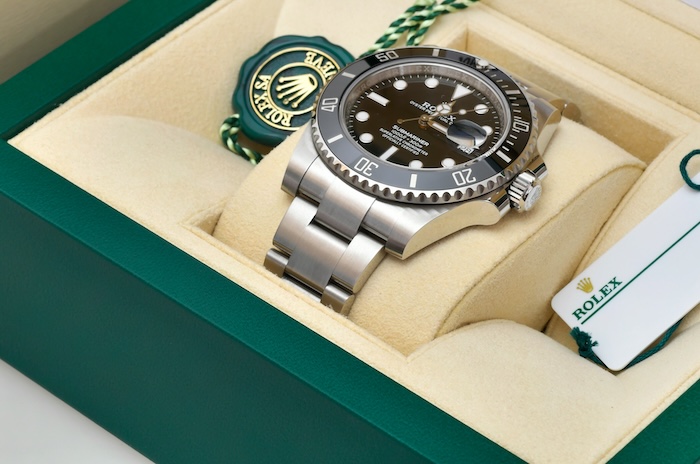
rolex submarina

The Importance of Insuring Limited Edition Watches Adequately

The Importance of Insuring Limited Edition Watches Adequately 700 464 James Hallam

Limited edition watches hold a unique allure for collectors and enthusiasts, offering exclusivity, craftsmanship, and potential investment value. These timepieces often become coveted assets, making it essential for owners to ensure they have appropriate insurance cover to protect their valuable collections.

The Appeal of Limited Edition Watches

Limited edition watches are produced in restricted quantities, enhancing their rarity and desirability. Manufacturers may release these editions to commemorate anniversaries, collaborations, or significant events, often incorporating unique design elements or advanced technical features.

For instance, the Rolex Submariner 50th Anniversary Edition, known as the “Kermit,” featured a distinctive green bezel and was produced for a limited period, making it highly sought after among collectors.

Notable and Valuable Limited Edition Watches

• Rolex Submariner 50th Anniversary 16610LV “Kermit”: Released in 2003 to celebrate the Submariner’s 50th anniversary, this model featured a green bezel, a departure from the traditional black. Initially met with mixed reactions, its limited production run has since made it a collector’s favourite.
• Audemars Piguet Royal Oak Concept Split-Seconds Chronograph GMT: This limited edition timepiece showcases innovative design and advanced mechanics, appealing to those seeking exclusivity and technical prowess.

Ensuring Adequate Insurance Cover for Limited Edition Watches

Given the significant value and irreplaceability of limited edition watches, obtaining comprehensive insurance is crucial. Standard homeowner’s policies may not provide sufficient cover for high-value items, and specialised insurance can offer tailored protection.

Key Considerations for Insuring Your Watch Collection

• Protection Against Loss or Theft: Limited edition watches are high-value items and prime targets for theft. The right insurance ensures you’re financially covered if your watch is lost or stolen.
• Cover for Accidental Damage: Accidents happen, and even a minor scratch or drop can diminish the value of a luxury watch. Insurance can cover repairs or replacements without out-of-pocket expenses if accidental damage occurs. However, this doesn’t cover normal wear and tear or non-accidental damage.
• Reflects Market Appreciation: The value of limited edition watches often increases over time. A specialised insurance policy can account for this appreciation, ensuring your cover reflects the current market value, with the evidentiary support of an insurance valuation.
• Worldwide Protection: Whether you are travelling or storing your watch at home, comprehensive insurance provides peace of mind by covering your timepiece wherever you are.

Owning limited edition watches is a rewarding endeavour, combining the appreciation of fine craftsmanship with the joy of possessing rare and exclusive items. To protect these valuable assets, it’s imperative to secure appropriate insurance cover that addresses the unique risks associated with high-value timepieces. By considering specialised cover options and regularly updating appraisals, you can ensure your cherished collection remains safeguarded against unforeseen events.

Get in touch

If you have any concerns or queries on your insurance cover, please don’t hesitate to speak to us. You can call any of the team on 0203 002 9859 or email pcl@jameshallam.co.uk.


Claims Help at Christmas

Claims Help at Christmas 800 347 James Hallam

Our Christmas Opening Hours are as follows:

If you need to make a claim and we are not open, please contact your insurance company directly. Information regarding how to make a claim will be in your policy documents but we also have contact details for the major insurers on our website: Emergency Claims Contact Details – James Hallam

If you are unsure of what making a claim may involve, please also have a look at our “How to” guides for some help: Claims ‘How To’ Guides – James Hallam

Of course, we hope you don’t need to use either of these and have a peaceful and relaxing time with your family and friends over the festive period.

Wishing you a very Merry Christmas and a Happy New Year from all at James Hallam.

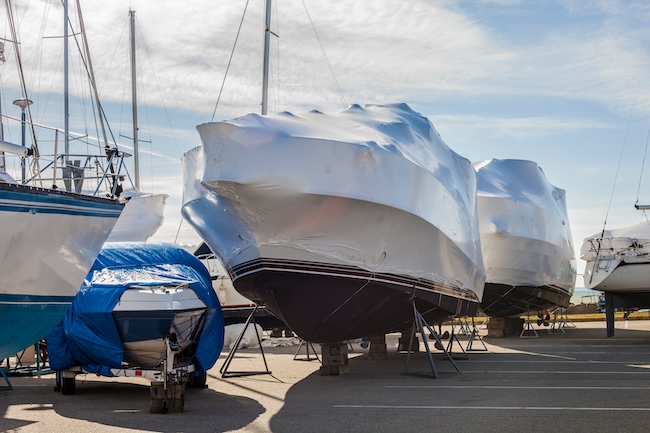
winter storage of boats

Top 10 Tips for the Out-of-Water Season: An Off-Season To Do List

Top 10 Tips for the Out-of-Water Season: An Off-Season To Do List 650 433 James Hallam

The end of the boating season often signals a shift in priorities for marine enthusiasts. As your vessel is hauled out of the water, it’s essential to ensure it is properly cared for during the off-season.

Whether you are protecting against the winter chill or gearing up for spring’s return, these top 10 tips will keep your boat in prime condition and ready for the next adventure.

1. Winterising your boat

Winterisation is the cornerstone of off-season boat care, particularly in colder climates where frost and freezing can wreak havoc on engines and plumbing.
• Drain water from engines and plumbing systems to prevent ice damage.
• Add antifreeze to critical systems, such as engine cooling circuits and bilge pumps.
• Spray protective coatings on metal components to guard against rust and corrosion.

Failing to winterise properly can result in costly repairs, so take the time to do it right or consult a professional.

2. Thorough cleaning internally and externally

Before your boat goes into storage, a deep clean is a must. Accumulated salt, algae, and barnacles can degrade your vessel’s surfaces over time.

• Scrub the hull to remove marine growth.
• Rinse and clean all deck fittings, rails, and exterior surfaces with fresh water.
• Don’t neglect the interior—wipe down surfaces, vacuum upholstery, and empty any perishables.

A well-cleaned boat not only looks better but is also easier to maintain in the long term.

3. Hull & propeller inspection

The off-season is an ideal time to assess the condition of your hull and propeller.
• Look for cracks, blisters, or signs of osmosis, and sand or repaint if needed.
• Inspect the propeller for nicks, dents, or corrosion, as these can affect performance.

Timely repairs now can prevent major issues during the boating season, saving you both time and money.

4. Engine maintenance

Your engine is the heart of your boat, and proper care ensures it runs smoothly when it’s time to set sail again.
• Change the engine oil and replace filters.
• Inspect belts, hoses, and seals for wear or cracking.
• Lubricate moving parts to reduce friction and corrosion.

Keeping up with regular maintenance extends the engine’s lifespan and minimises unexpected breakdowns.

5. Battery and electrical care

Electrical systems require special attention during the off-season to prevent issues when you are ready to relaunch.
• Remove or disconnect batteries and store them in a cool, dry place.
• Clean battery terminals and check charge levels periodically.
• Inspect wiring for wear or damage and address any issues immediately.

Proper storage and care ensure your batteries remain in top condition.

6. Damp and mould prevention

Boats are prone to damp and mould, especially in storage. Taking proactive steps can save you from unpleasant surprises.
• Use desiccants, dehumidifiers, or moisture absorbers in the cabin and storage compartments.
• Open lockers and doors to promote airflow.
• Ensure all upholstery, carpets, and fabrics are dry before storage.

This not only keeps your boat fresh but also protects against long-term damage.

7. Safety equipment check

The off-season is the perfect time to review and update your safety gear.
• Inspect life jackets for wear and tear and ensure they are in compliance with regulations.
• Check the expiry dates on fire extinguishers and replace them as necessary.
• Replenish your first-aid kit, ensuring all supplies are current and complete.

Preparing safety equipment in advance gives you peace of mind when it is time to head back on the water.

8. Off-season storage options

Choosing the right storage option for your boat is critical to its protection during the off-season.
• Dry stack storage keeps boats safe from the elements but may require prior booking.
• Shrink-wrapping provides weatherproofing and is excellent for outdoor storage.
• Trailer storage is a versatile and cost-effective choice for smaller vessels.

Consider your budget, location, and security needs when making your decision.

9. Environmental best practices

Caring for your boat responsibly means caring for the environment, too.
• Use biodegradable cleaning products to reduce chemical runoff.
• Dispose of used oil, antifreeze, and fuel properly at designated facilities.
• Avoid washing your boat near waterways to prevent pollutants from entering the marine ecosystem.

Sustainable practices not only preserve our waterways but also enhance the reputation of the marine trade as stewards of the environment.

10. Plan for next season early

The off-season provides a valuable opportunity to get ahead of next year’s boating plans.
• Book berths early to secure your preferred locations.
• Schedule maintenance and upgrades well in advance to avoid the pre-season rush.
• Consider enhancements like new electronics, navigation systems, or improved storage solutions.

With proper planning, you will transition seamlessly from off-season to open water.

Make the most of the out-of-water season

The out-of-water season is more than a hiatus. It is an opportunity to protect, maintain, and improve your vessel. By following these ten tips, you ensure your boat is not only well-preserved but also primed for another successful season.

Remember, the marine trade thrives on proactive care and foresight. By taking the time now to prepare, you set yourself up for smoother sailing in the future. Whether you are a seasoned sailor or a weekend cruiser, your efforts during the off-season will pay dividends when the waters beckon once more. Use this time to also ensure that your insurance is up to date and sufficient.

house in snow

How to Protect Your Home from Storm Damage

How to Protect Your Home from Storm Damage 600 400 James Hallam

As Storm Bert approaches, bringing heavy rain, strong winds, and disruptive snow, it’s vital to prepare your home to minimise potential damage. Here are some practical steps to keep your property and family safe:

Secure your home

  • Inspect your roof: Check for loose or missing tiles and secure them to prevent leaks or damage from strong winds or heavy snow.
  • Clear gutters and drains: Remove leaves and debris to prevent blockages and reduce the risk of flooding.
  • Secure outdoor furniture and items: Tie down or bring in garden furniture, plant pots, bins, and other loose objects that could be picked up by the wind.
  • Trim trees and shrubs: Cut back overhanging branches that could fall and damage your property or a neighbour’s during the storm.
  • Reinforce weak spots: Check for cracks or loose fittings in doors and windows, and seal any gaps to prevent wind, snow, or water from coming in.

Prepare for snowfall

  • Insulate pipes: Prevent them from freezing and bursting by wrapping them in insulation.
  • Clear snow regularly: If safe to do so, clear snow from driveways, walkways, and around the property to reduce ice build-up.
  • Check your heating: Ensure your boiler is working efficiently and bleed radiators to maximise warmth.
  • Stock grit or salt: Keep supplies to make pathways safer for walking and reduce slipping hazards.

Prepare for power outages

  • Charge devices: Fully charge mobile phones, power banks, and other essential electronics.
  • Have torches ready: Keep torches and spare batteries to hand – avoid candles to reduce fire risks.
  • Stock up on essentials: Ensure you have non-perishable food, bottled water, and a first-aid kit.

Prevent flood damage

  • Use sandbags: Place them at vulnerable doorways and entry points to help keep water out.
  • Move valuables upstairs: Move irreplaceable items or electronics to higher levels of your home.
  • Install flood guards: If you live in a flood-prone area, consider installing barriers on doors and air bricks.

With these precautions, you can reduce the risk of storm damage and protect what matters most. Stay safe this week as Storm Bert brings its mix of extreme weather to many areas of the UK.

Check your home insurance

Review your home insurance policy to ensure you have sufficient cover in place against storm damage, including snow, wind, and flooding. If you have any concerns or queries on your insurance cover please don’t hesitate to speak to us.

You can contact any of the team on:

Home Insurance: 03330 111998 or email PLExisting@jameshallam.co.uk.

HNW Home Insurance: 0203 002 9859 or email pcl@jameshallam.co.uk.

Seventeen Group makes 4 acquisitions in October

Seventeen Group makes 4 acquisitions in October 1184 540 James Hallam

Seventeen Group have acquired four brokers across the UK in October: 

UK & Global – A commercial broker owned by James Garrett. James will attach to the Chelmsford office of James Hallam plus retain an existing Cambridge office. Premium income £2M. 

Brian Thompson Insurance Consultants (BTIC) – a Gosforth (Newcastle) based business employing 17 staff and controlling nearly £5M premium. Brian Thompson will continue to run the business with his team and Gosforth will become James Hallam’s ‘hub’ office for the North East. The business will operate under the BTIC brand. 

Nelsons – a Kent based business run by Don and Susan Nelson. 

Nairn – To complement our existing presence in the Highlands we are pleased to bring on board Lynne McSherry and her team based in Nairn. The business becomes the sixth James Hallam Scottish office. 

Commenting on these deals, Seventeen Group Chief Executive Paul Anscombe adds: 

“It has been an incredibly busy year for the Group in terms of acquisitions but this reflects the opportunity for us to expand our UK reach and to bring quality individuals into the team. Having a long term plan for Seventeen Group has certainly persuaded some vendors that we present a good home for their clients and staff. This can compare favourably to some alternatives which may take a small business in a totally different direction via subsequent transactions.”

End of Press Release

For more information contact:
Jackie Knight Group Marketing Director
T: 07824 486319
E: jackie.knight@seventeengroup.co.uk

mobile catering van

What Insurance Do I Need For a Mobile Catering Van?

What Insurance Do I Need For a Mobile Catering Van? 700 467 James Hallam

All catering businesses need some form of insurance cover. But if you run a mobile catering van, a food truck, or an ice cream van, you will face certain additional risks that fixed-site cafés and restaurants will not have to worry about.

In this post we will explore the insurance you will need to consider for a mobile catering van, to make sure you are covered for all possible risks and liabilities.

What risks do catering businesses face?

There are many risks associated with preparing and serving food to members of the public. Any catering business will need cover for any accidents, injuries, and illnesses customers may sustain as a result of interacting with your business, including food poisoning and allergic reactions.

Specific risks catering vans face

If you have a catering van business, though, you will face additional risks that you would not face if you were running a fixed site café or restaurant. As well as cover for your equipment, you will also need specialist commercial vehicle insurance to cover your catering van. On top of this, the cover you get for your stock will have to extend to provide cover for transit.

Plus, your insurer will have to consider the risks associated with serving different customers in different locations from one week to the next. For example, what if you accidentally hit a child’s head when you’re opening your serving hatch?

Beyond all of these risks, mobile catering vans will have to manage the sort of risks that face any business in any sector, including fires, floods, theft, business interruption, personal injury, and so on.

What insurance do I need for a mobile catering van?

  • Public Liability Insurance – This can cover most accidents, injuries, and illnesses members of the public may sustain as a result of interacting with your business, along with any damage you may cause to public property.
  • Product Liability Insurance – If a customer ever gets food poisoning, or suffers an allergic reaction, as a result of consuming food you serve, product liability insurance can cover any compensation they may be due, along with any legal fees you may have to pay.
  • Commercial Vehicle Insurance – You will need comprehensive cover for your vehicle. This will cover any repairs your vehicle may need following an accident, as well as any repairs that may be necessary for any other vehicles or property involved in an accident.
  • Contents Insurance – Cover for your cooking equipment and furnishings, along with your stock. If you have a catering can, the cover you get for your stock will also have to cover it for loss, damage, or spoiling during transit.
  • Employer’s Liability Insurance – If you employ any staff, you have a legal obligation to get employer’s liability insurance. This will cover any compensation an employee may be entitled to if they sustain any illnesses or injuries on the job.

Find out more about our specialist catering insurance and who it covers.

Get specialist catering insurance from James Hallam

James Hallam is an independent Lloyd’s broker with access to a hand-picked selection of A-rated insurance providers.

We know that no two catering businesses are quite the same, and that mobile caterers face a host of additional risks and liabilities. As a result, we will take the time to get to know you, your business, and your customers. In this way, we can design a catering insurance package that truly meets your needs at a competitive price.

Get in touch for a free quote today.

warehouse

What is Commercial Combined Insurance?

What is Commercial Combined Insurance? 600 400 James Hallam

All businesses face a range of risks, including fire, flood, theft, business interruption, cybercrime, and more. You will need adequate insurance to cover your business should anything ever go wrong.

As an alternative to getting separate policies to cover individual risks, many businesses instead choose a commercial combined insurance policy.

In this post we will discuss what a commercial combined insurance policy is, and what it covers, to help you decide whether it is the right choice for you.

What is Commercial Combined insurance?

A commercial combined insurance policy includes various types of business insurance cover in a single policy. Getting a commercial combined insurance policy can be the most convenient choice for many businesses. Rather than taking out multiple policies to cover multiple liabilities, businesses can instead get extensive cover with a combined policy.

What does Commercial Combined Insurance cover?

Most insurers will tailor your commercial combined insurance policy to meet all the risks you face in your business. Most policies will include the following:

  • Buildings Insurance – Cover for damages to your business premises, alongside any machinery, equipment, furnishings, and stock.
  • Cyber Insurance – This can cover any liabilities and expenses you might face if your business falls victim to a cyberattack, or a data breach.
  • Business Interruption Insurance – If you are forced to temporarily cease trading due to a fire, a flood, or another covered event, business interruption insurance can cover your loss of revenue, your increased costs of working, and other specified expenses.
  • Public Liability Insurance – If a member of the public gets injured on your premises, or if you damage public property while conducting business, public liability insurance can cover any legal costs you may be liable to pay.
  • Employer’s Liability Insurance – All businesses have a legal duty to get employer’s liability insurance if they employ any staff. It covers any compensation an employee may be entitled to if they sustain any illnesses or injuries on the job.
  • Product Liability Insurance – If you manufacture and distribute products as part of your business, product liability insurance will cover you for any loss, illness, or other damages linked to your products.

Find out more about what our Commercial Combined Insurance policies cover and who they’re for.

What are the benefits of Commercial Combined insurance?

Having a commercial combined insurance policy over separate policies can be beneficial for a number of reasons, including being:

  • Convenient – With a commercial combined insurance policy, there is no need to shop around for multiple policies to cover every aspect of your business. Plus, if you ever need to make a claim on your policy, you will only ever have to make one call, which can streamline the process.
  • Cost-Effective – Some insurers offer discounts if you buy a combined commercial insurance policy in place of multiple policies. Plus, if you have multiple policies, there may be overlaps in your cover. This might mean you end up paying more for insurance you do not really need.
  • Comprehensive – Get all the cover you need in one policy, and you will not need to worry about underinsurance, or in any gaps in your cover. Plus, most insurers will tailor your commercial combined insurance policy to ensure it meets your exact needs, including your budget needs.

We can help you get all the cover you need at the best price

James Hallam is an independent Lloyd’s broker with access to a hand-picked selection of A-rated insurance providers.

If you want to get all of your cover needs met by a combined commercial insurance policy, we can help you ensure your policy ticks all of your boxes at a truly competitive price.

Get in touch to get a free quote today.

directors

10 Reasons Why Your Business Needs Directors & Officers (D&O) Insurance

10 Reasons Why Your Business Needs Directors & Officers (D&O) Insurance 750 422 James Hallam

What is Directors and Officers insurance?

Directors and Officers (D&O) insurance is a vital safeguard for businesses, protecting key decision-makers from personal liability in the event of legal claims related to their roles. In the UK, the responsibilities of directors and officers have increased significantly due to ever-evolving corporate governance standards and stricter regulations. Without D&O insurance, your business and its leaders may be exposed to serious financial and legal risks.

What Does D&O Insurance Cover?

D&O insurance provides essential protection, covering legal defence costs, settlements, and compensation in a wide range of scenarios. Ultimately, D&O insurance is not just a safety net—it’s a vital tool for protecting the individuals who make the critical decisions that drive your business forward. By investing in a D&O policy, you safeguard your leadership team, your business, and your future.

Who Needs D&O Insurance?

Whether your business is a start-up, an established corporation, or a non-profit, having the right D&O policy in place can help you attract top talent, navigate regulatory challenges, and focus on growth without fear of personal liability.

Here are ten compelling reasons why every UK business should consider D&O insurance.

  1. Protect your Business from Personal Liability

The primary reason to invest in D&O insurance is to shield directors and officers from personal liability. In the UK, if a director or officer is accused of wrongful acts such as breach of duty, mismanagement, or negligence, they can be personally sued. Unlike the business itself, which may have its own insurance, individuals in these roles are vulnerable to legal claims that could threaten their personal finances. D&O insurance provides protection by covering the legal costs and damages, ensuring that directors and officers aren’t held personally responsible for costs related to decisions made in good faith.

  1. Defence Against Claims by Employees

Employees can file claims against directors and officers for a variety of reasons, including unfair dismissal, harassment, discrimination, and breach of employment contract. Such cases can be highly damaging, both financially and reputationally. Even if a claim is unfounded, the legal fees alone can be substantial. D&O insurance covers legal defence costs, settlements, and compensation in employee-related disputes, protecting your leadership team from potentially crippling financial burdens.

  1. Regulatory Investigations and Fines

The UK has strict regulatory bodies, including the Financial Conduct Authority (FCA) and the Health and Safety Executive (HSE), which hold businesses and their leaders to high standards. Regulatory investigations can be complex, time-consuming, and expensive. If your business or its directors are accused of breaching regulations, D&O insurance can cover legal expenses and fines associated with regulatory investigations, reducing the financial strain on your business.

  1. Investor and Shareholder Lawsuits

Shareholders or investors may file lawsuits against directors and officers if they believe mismanagement has led to financial loss or a decline in the value of their shares. In the UK, these types of claims are becoming more common, particularly for public companies. A D&O policy covers legal defence and any potential settlements, ensuring that the personal finances of directors and officers are protected while enabling the company to manage the situation effectively.

  1. Mergers and Acquisitions (M&A) Risk

Mergers and acquisitions can be exciting growth opportunities for businesses, but they also bring significant legal risks. During an M&A process, decisions made by directors and officers are often scrutinised by shareholders, regulators, and even the media. If stakeholders feel that they were misled or that the deal wasn’t in their best interests, lawsuits can follow. D&O insurance is essential for protecting directors and officers involved in these high-stakes decisions, ensuring they’re covered in the event of legal disputes during or after the transaction.

  1. Cybersecurity and Data Breach Liability

With the rise of cybercrime and the increasing importance of data protection regulations like the UK’s Data Protection Act 2018 (which incorporates the principles of GDPR), directors and officers are increasingly being held accountable for cybersecurity failures. If your business suffers a data breach, directors could be personally sued for failing to implement adequate safeguards. D&O insurance can cover legal costs associated with such claims, helping to mitigate the financial fallout from a data breach.

  1. Insolvency and Bankruptcy Claims

If a business becomes insolvent or bankrupt, directors may be personally liable for claims of wrongful trading or mismanagement leading up to the financial collapse. In the UK, wrongful trading occurs when directors allow a company to continue operating while knowing it is insolvent. D&O insurance offers crucial protection by covering legal costs and potential damages arising from such claims, helping directors navigate the challenging process of insolvency without putting their personal assets at risk.

  1. Attract and Retain Top Talent

Top talent is often drawn to businesses that offer robust protection for their leaders. By providing D&O insurance, your business can demonstrate its commitment to safeguarding directors and officers from personal risk. This level of protection can be a key factor in attracting experienced professionals to your leadership team. Additionally, offering D&O insurance can help retain top talent by giving directors and officers peace of mind that they are protected in the event of a legal claim or regulatory investigation.

  1. Protection for Non-Profit Organisations

D&O insurance isn’t just for large corporations; it’s also crucial for non-profit organisations, charities, and community groups. While these organisations may not have the same level of financial exposure as big businesses, directors and officers are still responsible for managing the organisation’s finances, governance, and regulatory compliance. Without D&O insurance, directors and officers of non-profits are at risk of personal liability if they are accused of mismanagement or negligence. This protection is especially important given the limited financial resources many non-profits have at their disposal to cover legal costs.

  1. Claims Can Arise Even After Resignation

One often-overlooked benefit of D&O insurance is its ability to provide cover for claims that arise after a director or officer has resigned from their position. Legal actions can be filed long after an individual has stepped down, particularly if there are allegations of wrongful acts committed during their tenure. D&O insurance ensures that former directors and officers remain protected, giving them the confidence to make decisions without fear of lingering liability.

Why is Directors and Offices Insurance so Important?

In today’s complex business environment, the risks faced by directors and officers are higher than ever. From regulatory scrutiny and employee claims to cyberattacks and shareholder lawsuits, the potential for legal action is vast. Without D&O insurance, directors and officers are left exposed to personal liability, putting their financial security on the line for decisions made in the course of their duties.

What’s the Difference Between D&O Insurance and Management Liability Insurance?

In the UK, Directors and Officers (D&O) insurance and Management Liability Insurance (MLI) are similar but differ in scope. As detailed above, D&O insurance protects directors and officers against personal liability for claims made against them while performing their duties. In contrast, MLI is broader, covering not only directors and officers but also the company and senior management. It includes risks like employment practices liability (e.g., discrimination or wrongful termination). While D&O focuses on individual liability, MLI covers both individuals and the business entity against management-related risks. 

Talk to Us About D&O Insurance Today

Get in touch for a free quote today.