
Shepherd Huts and Beach Huts

Beach Huts vs Second Homes: Mudeford Owners Push Back on Council Tax Reclassification

Beach Huts vs Second Homes: Mudeford Owners Push Back on Council Tax Reclassification 1000 750 James Hallam

Beach hut owners on Mudeford Spit, Dorset, are investigating the legal basis of proposals that could see their huts reclassified as second homes for council tax purposes.

BCP Council, which covers Bournemouth, Christchurch and Poole, plans to remove discounted tax rates on the iconic sandbank huts, meaning more than 300 owners may have to pay full council tax from April 2026, pending cabinet approval.

The Mudeford Sandbanks Beach Hut Association (MSBHA) has criticised the move, arguing that the policy is being applied to structures it describes as wooden sheds with no mains connections or individual toilet facilities.

There are 344 beach huts on the spit, many of which can only be stayed in overnight for part of the year and are used seasonally (typically up to 8 months annually). Despite their limited facilities, such as no running water, power, or private toilets, huts can command six-figure sale prices, sometimes reaching hundreds of thousands of pounds.

How Much Could Council Tax Increase for Mudeford Huts?

While 2026/27 council tax rates will be formally set in February 2026, estimates based on current Band A property rates (2025/26) indicate:

Current council tax    Expected under second-home classification
£618 per year    £1,236 per year

This represents a 100% increase, effectively doubling annual council tax liabilities for affected owners.

BCP Council hopes the change will generate approximately £211,000 in additional revenue to help address a £9 million budget shortfall.

The proposal will be debated by the council cabinet on 14 January 2026.

Rising Fees, Stagnant Services: Owners Voice Frustration

The reclassification comes at a time when beach hut owners are already experiencing sharp cost pressures. Annual fees have nearly tripled to over £5,200, as the council moves to standardise coastal charges.

Many owners argue that they might accept increased fees if infrastructure and services improved but report minimal investment in facilities for decades.

What This Means for Beach Hut Owners

If approved, this decision could set a wider precedent for beach hut taxation across the UK, raising important questions:

  • How do councils define habitable property?
  • Can seasonal, non-serviced structures be fairly taxed as residential homes?
  • What legal challenges might arise from classification disputes?

One thing remains clear: beach huts are valuable assets exposed to weather, theft, fire, storm damage and coastal risk and require specialist insurance protection, now more than ever.

Protect Your Beach Hut with Specialist Insurance

At James Hallam, we arrange tailored insurance solutions designed specifically for coastal properties.

Whether your hut is for family use, rental income, or long-term ownership, having the right policy ensures you’re protected against unexpected financial loss.

Unlike traditional home insurance, a specialist policy can provide:

  • Protection for high-value huts
  • Storm, flood and coastal weather damage cover
  • Fire and theft protection
  • Public liability (important for rental owners)
  • Contents cover designed for seasonal use 

Protection for High-Value Huts

Our beach hut scheme provides cover for huts with a rebuild value up to £50,000 and contents up to £10,000.

If a hut’s rebuild value exceeds £50,000, it may fall outside the scheme limits. In these cases, we can explore alternative options, such as a specialist holiday home policy. Please note that this may not offer the same tailored cover as our beach hut scheme.

We work with specialist insurers and will always aim to place huts under the beach hut scheme where possible, provided the rebuild value is within the £50,000 limit. For huts above this threshold, we’ll advise on the most suitable alternative cover.

Get a quote or speak to our insurance specialists today


Keeping Shepherd’s Huts Warm in Winter: Insulation and Heating Options

Keeping Shepherd’s Huts Warm in Winter: Insulation and Heating Options 1000 750 James Hallam

With the right design, heating, and insulation, a shepherd’s hut can remain warm and toasty even through the coldest winter months.

In this post we will outline the best and most efficient ways to keep your shepherd’s hut warm in winter.

Insulating Your Sheperd’s Hut For Winter

If you invest in proper insulation for your shepherd’s hut, you can attain a steady and comfortable indoor temperature all year round. This means that, as well as keeping your hut warm in winter, good insulation can also keep your hut cool in the summer.

Insulation works through trapping warm air inside the hut. Without insulation, it will take much longer to heat your hut to a comfortable temperature, as a lot of the warm air will leak to the outside. Also, without adequate insulation, the hut will get cold again pretty quickly the moment you turn the heating off.

Ways to Insulate Your Shepherd’s Hut

You have a number of options for insulating your shepherd’s hut:

  • Foam – Rigid foam boards may offer the highest thermal resistance of any insulation. But this may cost more than other options.
  • Fibreglass – This may be the most affordable insulation choice, as well as the easiest to install.
  • Sheep’s wool – The most eco-friendly insulation option. Sheep’s wool is breathable, meaning it will retain moisture as well as heat. This can help prevent dampness in your hut, which can greatly improve your hut’s thermal performance.

Eliminating Heat Loss – Floor, Walls, and Roof

When it comes to insulation, most people will target the hut’s walls. This makes sense, as the walls have the greatest surface area, and thus may contribute the most to heat loss. But remember that heat rises, which is why it is equally important to insulate the hut’s roof.

Multi-layer insulation can help prevent heat from escaping through the hut’s roof. For a greener option that can also add a touch of character, you could consider applying a layer of sustainable turf to your hut’s roof.

Heat can also escape through the hut’s floor. A layer of underfloor insulation can help prevent this. But insulated mats, or even thick rugs or carpets, can also help.

Draught-Proofing Your Shepherd’s Hut

Your hut’s windows and doors will also contribute to heat loss. Insulated doors and double-glazed windows can make a huge difference.

If your hut is a new build, it may already have double-glazed windows fitted. But if it is an older model, it may still have single-glazed windows. These can let in drafts while allowing heat to escape, which can make it much harder to heat your hut and to keep it warm. Replacing single-glazed panes with double-glazed will make a noticeable difference.

How to Heat Your Shepherd’s Hut in Winter

You have a range of options for heating your shepherd’s hut:

  • Stoves – Many will choose the rustic charm of a traditional wood-burning stove. But for a more versatile option, choose a multi-fuel stove. This will give you the ability to burn a number of different fuels, which can help you manage your hut’s running costs.
  • Electric heaters – An electric heater can quickly warm your hut at the touch of a button. These are only really an option if the hut is connected to the grid, though. Plus, they can use up a lot of power, which means you might be looking at relatively high running costs compared to a stove.
  • Underfloor heating – This might be more difficult and expensive to install than other heating options. But an underfloor heating system is unobtrusive, which could help you make the most of the limited space inside your hut.

The combination of a heating system and good insulation will help keep your hut warm even on the coldest days of the year.

Whichever heating system you choose, make sure it is properly installed, with adequate ventilation where necessary. It is also important to keep on top of maintenance.

It’s also important to be aware that a number of insurance exclusions and conditions apply to the use of open fires and barbeques, and leaving a shepherd’s hut empty over the winter months.*

The Cosy Touch For A Cosy Shepherd’s Hut Experience

Finally, there are a few finishing touches that will make your hut feel extra cosy in the winter.

A heated towel rack can provide its own source of heat, while also giving you somewhere to warm your socks and other items of clothing, so that they feel extra toasty when you put them on.

If you rent your shepherd’s hut to guests, you could provide blankets, sachets of hot chocolate, and even jumpers and slippers.

Get The Insurance You Need For Your Shepherd’s Hut

James Hallam is an independent Lloyd’s broker with a dedicated team of experienced insurance professionals who specialise in getting you the cover you need at a competitive price.

We will ensure you get full cover for your shepherd’s hut, whether you use it yourself, or you let it out to holidaymakers.

Learn more about our specialist shepherd’s hut insurance and get a free quote today.
*Insurance Exclusions and Conditions

Open Fires and Barbeques 

We will not pay any loss or damage as a result of you using a barbeque, wood or log burner, or any other form of open fire within 3 feet of the shepherd’s hut. You must ensure that all sources of ignition are removed from the shepherd’s hut whilst unattended.


Draining Down – Water 

From 1 November to 31March (both dates inclusive), when the shepherds hut has been unattended for more than 7 consecutive days, we will not pay for loss or damage unless the water has been turned off at the stopcock within the shepherd’s hut and the water system drained down.


Shepherds’ Huts Fire Protection 

  • We will not pay for any loss or damage to your building unless:
  • Wood / log burners are installed by a HETAS approved person.
  • Chimneys and flues are kept clean and well maintained as per the manufacturer’s instructions.
  • Chimneys are to be swept at least twice per year by an approved person.
  • A fireguard is always used to protect against flying sparks and hot embers.
  • Logs are stored at least 6 feet away from the wood burner.
  • Wood burner is extinguished and left to cool for a period of 30 minutes prior to the building becoming unattended.
  • All clothing, fabric and other flammable items are always kept at least 3 feet away.
  • All shepherds huts have a fire extinguisher and fire blanket installed.


Beach Hut Winter Maintenance Checklist

Beach Hut Winter Maintenance Checklist 1000 667 James Hallam

We recently published a guide to beach hut summer maintenance, which discussed how you can get your beach hut ready for the high season. In this post we will explore beach hut winter maintenance, with a checklist of tasks that will help you safely “close down” your hut for the winter months.

Why You Need to Winterise Your Hut

Taking care of any repairs or renovations now will make it less likely that you will have to make some more serious repairs in future. In winter, you could face:

  • High winds, heavy rains, low temperatures – unless you take the time to prepare, winter weather could cause some serious damage to your hut.
  • Risk of crime and theft – Remove any high value items that thieves may target while the area is less busy is an important part of winterising your hut.
  • Becoming a target of vandalism – Vandals may be more likely to target huts that look run-down and weatherbeaten.

Beach Hut Winter Maintenance Checklist

  1. Cleaning and Decluttering

You have heard of a spring clean? Well, now it is time for an autumn clean:

  • Remove all valuables, belongings, and perishables from your hut.
  • Give every surface a thorough clean. This will help prevent the build-up of mould and mildew over the winter, while also making next year’s spring clean a little easier.
  • Remember to secure any outdoor valuables too, such as furniture or BBQs.
  1. Repairing and Renovating

Prioritise small repairs now as it will help you avoid big repairs later:

  • Thoroughly inspect your hut for any potential issues
  • Look for leaks
  • Find and fix any loose fittings
  • Identify any signs of wear, tear, and rot
  • Oil hinges and other metal elements to help prevent rust
  1. Weatherproofing

Batten down the hatches! Look for ways to protect your hut from the harsh winter weather. This might involve:

  • Insulating the walls and ceiling, sealing any gaps in the windows and doors
  • Buying some shutters to protect any glass from sand and other debris.
  • Apply a fresh coat of weatherproof paint to the hut’s exterior, to protect it from the corrosive effects of sea salt.
  1. Security

Finally, think about ways you can keep your hut safe from criminals over the winter.

  • As we mentioned above, keeping your hut in pristine condition in itself could help deter vandals
  • Get extra locks for the exterior to make life harder for thieves
  • Remove any valuables to ensure that they will not find anything worth stealing even if they do break in
  1. Check Your Insurance

Your insurer may specify how you should care for your beach hut as a requirement of their specialist beach hut insurance policies. This might include taking certain measures to keep your hut safe from the elements, and from criminals, while it is unoccupied over the winter. It’s always recommended to:

  • Check your policy wording to make sure you are doing everything your insurer expects of you. If you do not, you may not be able to make a claim for damages should anything happen to your hut.
  • You could also use the end of the season as an opportunity to review your beach hut insurance. Are you getting all the cover you need, at a best price?

James Hallam is an independent Lloyd’s broker with a dedicated team of experienced insurance professionals who are committed to protecting your beach hut at a competitive price.

We provide a specialist beach hut insurance scheme and are experts in this market. We will endeavour to get full cover for your beach hut, no matter its size or location, and no matter how you use it, using our specialist beach hut scheme.

Learn more about our specialist beach hut insurance and get a free quote today.
Where Can I Put My Shepherd’s Hut?

Where Can I Put My Shepherd’s Hut? 1000 666 James Hallam

If you buy a shepherd’s hut, are there any rules about where you can, and cannot, put it?

In this post we will outline the regulations, along with some best practices guidelines, for where you might put your shepherd’s hut.

Do I Need Planning Permission For a Shepherd’s Hut?

If you buy a shepherd’s hut and you intend to put it on your own land, there may be some scenarios when you do not need planning permission:

  • If the hut is just for garden use – If only you and your family will be using the hut, whether as storage space, as extra living space, or as a garden office, then you may not need planning permission.
  • If the hut is a temporary structure – If the hut is not fixed on the land – if it has wheels, for instance, or no permanent foundations – then it may be considered a temporary structure. Temporary structures typically do not require planning permission.

When Do You Need Planning Permission For a Shepherd’s Hut?

There are some occasions when you may need to get planning permission:

  • If the hut is a full-time dwelling – If the hut is to be used as a permanent or a main residence, then planning permission may be necessary.
  • If you will be letting the hut – Planning permission may also be necessary if you intend to allow members of the public to use your hut as a holiday let.
  • Boundaries and protected land – If you live in a conservation area, or an Area of Outstanding Natural Beauty, then you may need to get planning permission for any changes you make to your property. Similarly, you may need permission if you buy a larger hut, or if you intend to place it near your property’s boundaries.

In any case, whether or not you need planning permission may ultimately depend on the local authority’s specific rules.

Read our full guide to planning permission and shepherd’s huts.

Is It Legal to Put a Shepherd’s Hut on My Own Property?

If you want to put your shepherd’s hut on your own land, first make sure it is legal for you to do so. To do this, you need to consider:

Land Ownership
You must legally own the land you intend to place the hut. If you share the land, or if you are leasing it, you will first need permission from any other landowners. And as we said above, you may need to get permission if you wish to place the hut near your property boundaries. You may also need to consider access rights, particularly if you are placing the hut on agricultural land, or near somebody else’s property.

Shepherd’s Hut Size
Generally speaking, your shepherd’s hut must not exceed 2.5 metres in height if you are placing it within two metres of a boundary. Also, the hut should not fill more than 50% of the available land outside of your house. If the size of your hut means you do not meet these requirements, then you may need to get permission before you can install the hut.

Utility Connection
If your shepherd’s hut will have gas, electricity, and running water, then you will need to ensure that everything complies with all relevant safety standards.

Shepherd’s Hut Usage
Once again, if you intend to let the hut to holidaymakers, then you may need to register the hut for business use with your local council. As part of this, you may have to ensure your hut complies with all relevant business and tax regulations for your area.

Can You Put a Shepherd’s Hut on Agricultural Land?

You can put your shepherd’s hut on agricultural land. But depending on how you intend to use the hut, you may need to get permission first.

If you will be using the hut for agricultural purposes – to store equipment, for example, or as accommodation for agricultural workers – then you may not need any permission.

Yet if you intend to use the hut for any other purposes, even if it is just as a place for you and your family to hang out, then you may need to get change of land use approval. If you want to let your home to holidaymakers, for example, you will probably have to register the land for commercial use.

Finally, as we mentioned above, if the agricultural land is part of a protected area, there may be strict regulations in place for what you can and cannot do with the land.

Contact your local authority for more information about putting shepherd’s huts on agricultural land.

Getting The Right Insurance For Your Shepherd’s Hut

The way you use your shepherd’s hut – and where you put it – can affect the sort of cover you will need for your property.

If your shepherd’s hut is in your back garden, and it is for garden use only, then it is possible that your existing home insurance policy will extend to covering your shepherd’s hut. Check your policy wording to be sure, though.

But if you will be using your shepherd’s hut for agricultural or business purposes – such as to rent it out to holidaymakers – then you will need specialist shepherd’s hut insurance to cover the added risks you will face.

James Hallam is an independent Lloyd’s broker with a dedicated team of experienced insurance professionals who specialise in getting you the cover you need at a competitive price.

We will ensure you get full cover for your shepherd’s hut, wherever you build it, and however you use it.

Learn more about our specialist shepherd’s hut insurance and get a free quote today.
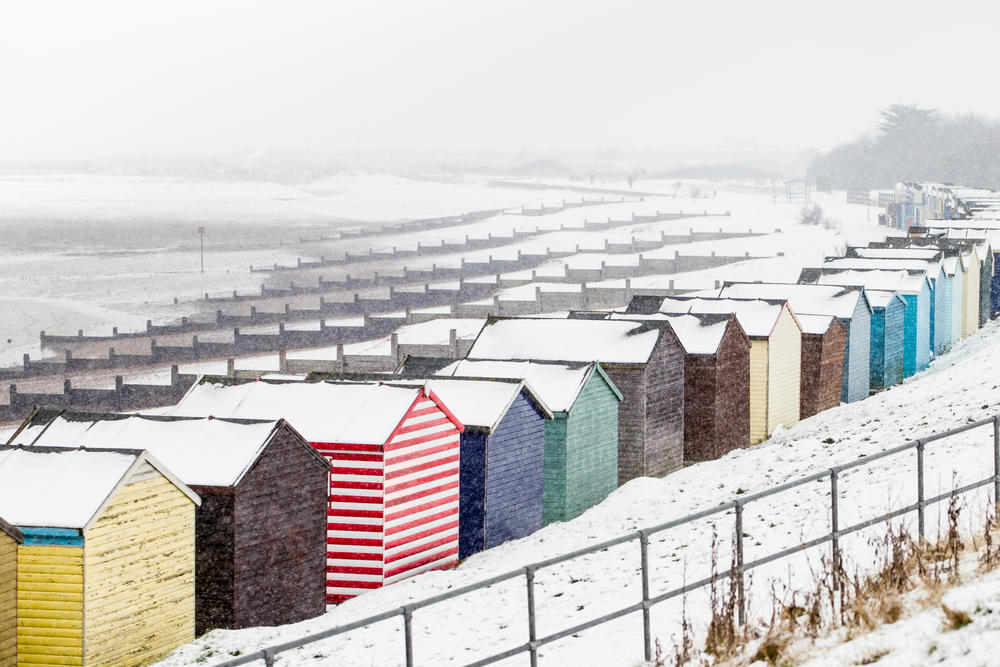
Beach Hut Buying Guide for 2025

Beach Hut Buying Guide for 2025 1000 667 James Hallam

Growing numbers of Brits are buying beach huts across the country. If you are looking to buy your first beach hut, this post will provide a step-by-step guide to the process, from your initial research to the final sale.

Research Your Beach Hut Location

Where do you want your beach hut to be based? Somewhere close to you, so that you can escape to it every weekend throughout the summer? Or somewhere further away, so that you can base your full family holiday around your beach hut?

One thing to consider is that the prices of beach huts will vary across the country. So it might be worth deciding your budget before you pick your location.

Make a shortlist of possible locations, and be sure to spend some time in each location before you make any final decisions. Take in the local amenities, and try to get a feel for the atmosphere and the community in the area.

Finally, contact the local council. Certain councils might impose certain restrictions on beach hut ownership, and you may have to get their permission before you make any changes to the hut.

Should You Buy a Freehold or Leasehold Beach Hut?

You may have to choose between a freehold or a leasehold beach hut:

  • Freehold – You own both the structure and the land it is built on. This would give you the freedom to do essentially anything with the hut. However, freehold beach huts tend to be expensive, and comparatively rare.
  • Leasehold – These are managed by local councils, and there are often tight restrictions on how you can use the hut, along with lengthy waiting lists to get a hut. Some councils only allow local residents to purchase their leasehold beach huts, but others will be a bit more flexible. The upside is that leasehold beach huts tend to be a lot cheaper than freehold beach huts.

Choose Your Hut

Once you have a budget and a location in mind, it is time to choose your beach hut.

If you want to get a leasehold beach hut, you will have to purchase it through the local council.

If you want to buy a freehold beach hut, you will have to do so through other channels, such as:

  • Find an estate agent that specialises in beach huts in your target area
  • Get in touch with the local beach hut association
  • Check online marketplaces, such as Facebook and eBay
  • Look at local classified ads in newspapers and newsagents

Be sure to view any potential hut before you agree to buy it. Get an idea of its condition, and think about whether you would need to do any work before you could start using the hut. Also think about how close it is to the nearest facilities and amenities. And perhaps most important of all, does it have a good view?

Finalising the Sale

If you are looking to purchase a leasehold beach hut, then you will pay whatever price the council wants you to pay.

But if you are looking to buy a freehold beach hut, you might be able to make an offer. Just remember that the current owner might have a lot of interest in their hut, so they may be considering multiple offers alongside yours.

If they accept your offer, you can then agree on the terms of your sale. This mainly means agreeing on a completion date, but you may also be able to agree on including certain items in the sale, such as fixtures, fittings, and furniture.

It may be useful to hire a solicitor to ensure that all of the paperwork is in order, and that you are not overlooking anything major. After this, it will just be a case of making the payment on your agreed terms, and getting all the documents and the keys on your completion date.

Taking Care Of Your Beach Hut

Once you have bought your beach hut, you will have to commit to ongoing maintenance. There are a number of reasons to do this:

  • It will keep your beach hut in good condition, ensuring that it will always remain a pleasant place to spend time.
  • It will help to protect your beach hut from the elements. A fresh coat of paint now and then can form an effective barrier against wind and rain over the winter.
  • Thieves and vandals may be more likely to target beaten and weathered beach huts. Keep yours in good condition and it might deter them.
  • Your insurer may require you to perform certain maintenance as part of your beach hut insurance

Read our essential guide to beach hut maintenance.

Get The Right Cover For Your Beach Hut

Just like any investment, it is a good idea to get adequate insurance cover for your beach hut.

James Hallam is an independent Lloyd’s broker with a dedicated team of experienced insurance professionals who specialise in getting you the cover you need at a competitive price.

We will ensure you get full cover for your beach hut, no matter its size or location, and no matter how you use it.

Learn more about our specialist beach hut insurance and get a free quote today.
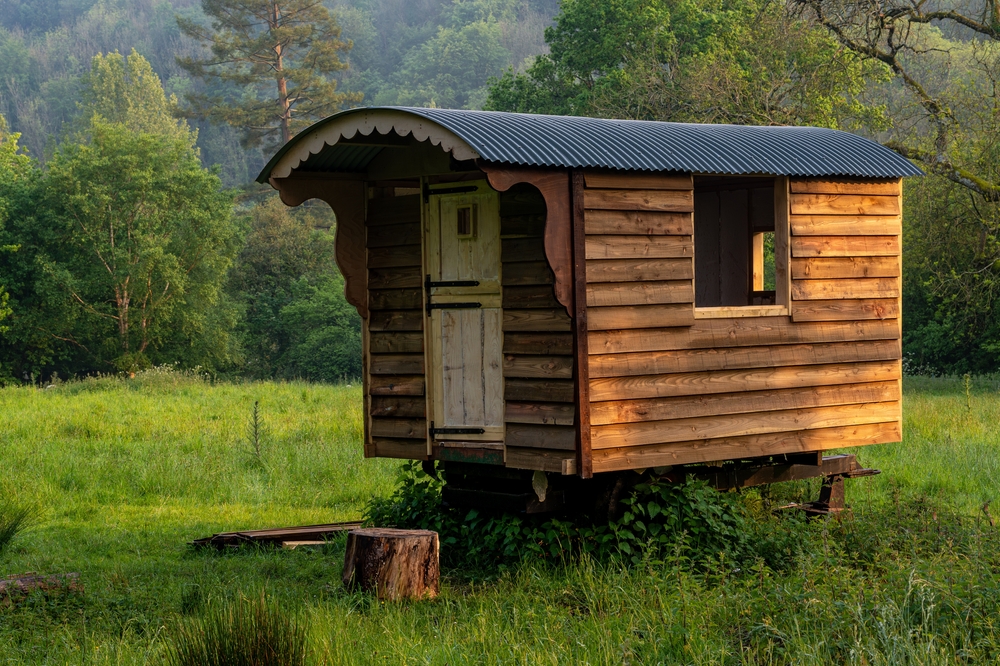
 

Beach Hut Maintenance Checklist for the Summer

Beach Hut Maintenance Checklist for the Summer 1000 667 James Hallam

Regular maintenance will keep your beach hut clean and pleasant all year round. Maintenance can also help to protect your beach hut from the elements, which is why some insurers specify how you should care for your beach hut as a requirement of their beach hut insurance policies.

In this post we will discuss an essential beach hut maintenance for the summer, which will help you enjoy your hut throughout the winter while keeping it safe through the colder months of the year.

Beach Hut Summer Maintenance For the Beginning of the Season

If you’re using your beach hut for the first time since last year, you might find that you need to do some essential maintenance before you can use your hut this summer:

  • Thoroughly clean your hut both inside and out. Sweep out any sand that may have accumulated, dust all the surfaces, and give the walls a scrub.
  • Open the doors along with any windows to air out your hut, and to help prevent mould and mildew.
  • Oil any hinges to help prevent rust. Also look for any signs of rust and corrosion on metal surfaces, and apply an anti-rust coating if necessary.
  • Consider decluttering your hut. Are there any items you don’t use, or don’t need, anymore? Is there anything you need to repair or replace?
  • If your hut has an outdoor deck, apply a fresh coat of wood stain or sealer.

Beach Hut Safety Checks For Summer

  • Check that all of the hut’s locks work, and replace or repair any components as necessary.
  • Look for any loose components and aim to get them repaired as soon as possible.
  • Consider stocking your hut with essential safety equipment, including sunscreen, a first-aid kit, and a fire extinguisher.
  • Consider installing a smoke alarm, and even a burglar alarm, to address the risks of fires or break-ins.

How Often Should I Repaint My Beach Hut?

If possible, give your hut a fresh coat of paint once a year – ideally in spring, before the summer season starts.

Beach huts can take a battering over the winter, as the temperatures drop and the likelihood of severe weather increases. But all year round, salty air can affect any paint job.

Regularly painting your beach hut will help keep it looking and feeling fresh, while also offering ongoing protection against the elements. Plus, thieves and vandals may be less likely to target a hut that looks colourful and pristine, as it can suggest that the hut is regularly used and regularly monitored.

Just note that the local council may set certain requirements for the colours you can use for your hut.

As well as refreshing your hut with a coat or two of paint, you could also look for ways to revitalise the interior. This could be with a new rug, new cushions, or new curtains.

Specialist Beach Hut Insurance From James Hallam

As we mentioned above, you may be required to carry out certain annual maintenance tasks as part of your beach hut insurance.

The summer might be a good opportunity to review your beach hut insurance. Are you getting all the cover you need, at a best price?

James Hallam is an independent Lloyd’s broker with a dedicated team of experienced insurance professionals who are committed to protecting your beach hut at a competitive price.

We provide a specialist beach hut insurance scheme and are experts in this market. We will ensure you get full cover for your beach hut, no matter its size or location, and no matter how you use it.

Learn more about our specialist beach hut insurance and get a free quote today.
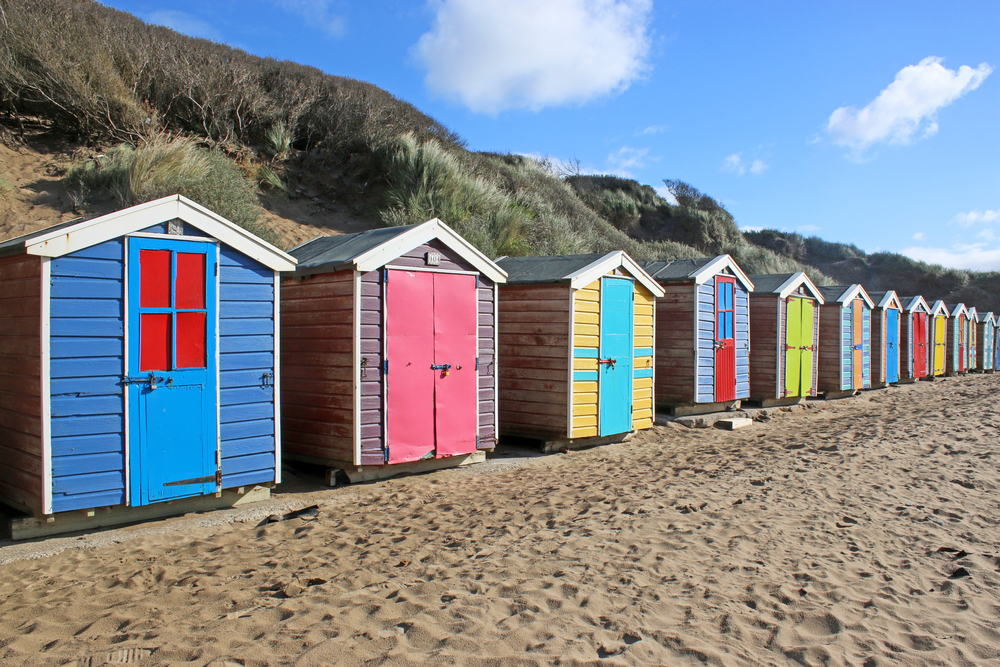
 

Do You Pay Council Tax on a Shepherd’s Hut?

Do You Pay Council Tax on a Shepherd’s Hut? 1000 563 James Hallam

The tax you pay on your shepherd’s hut will depend on where it is located, and how you use it.

In this post we will discuss some situations in which you may need to pay council tax, or other kinds of tax, on your shepherd’s hut.

When Do You Pay Council Tax on a Shepherd’s Hut?

If the shepherd’s hut is on your own land – that is, in the garden attached to your main family residence – and if only you or your family use it, then you will probably not have to pay council tax on it. But if you or anyone else uses the hut as their primary residence, then council tax may apply.

You may also have to pay council tax if the shepherd’s hut is located on a plot of land that is not part of your main residence. In this case, the local council may treat your shepherd’s hut as a second home, or an unoccupied property, and tax you accordingly.

Contact your local council for more information about the council tax rules in your area. Let them know where your shepherd’s hut is located, and how you use it, and they can advise you on the tax you will need to pay. They will also advise you on whether or not you need to register your shepherd’s hut with the local authority.

Do You Have To Pay Council Tax If You Let Out Your Shepherd’s Hut?

You may also have to pay council tax on the hut if you let it to holidaymakers. This may depend on whether or not the shepherd’s hut is located on land that is part of your primary residence, or if it is located on a separate plot of land.

Other Taxes to Pay If You Let Your Shepherd’s Hut to Holidaymakers

If you let your shepherd’s hut to holidaymakers, you may also have to pay certain business rates, including income tax, VAT, and capital gains tax. The tax you pay, and the amount you owe, will depend on how much income you make from letting your shepherd’s hut. The number of nights your shepherd’s hut is available to let each year can also determine the business rates you will need to pay.

Read the full government guidance on business rates for self-catering and holiday let accommodation.

Tax Relief For Shepherd’s Hut

If you let your shepherd’s hut to holidaymakers, and you do not live in it yourself, then it may qualify as a Furnished Holiday Letting (FHL).

To be classed as an FHL, your shepherd’s hut must meet certain criteria:

  • It must be furnished by you.
  • The hut must be available to let for at least 210 days of the first tax year you start letting. It does not matter whether or not you have bookings for the entire 210 days.
  • You must not allow for stays longer than 31 days.
  • The hut must be commercially let as a holiday property for at least 105 days of the year. Any time you, your friends, or your family spends in the hut for free or at reduced rates do not count towards this total.

If your shepherd’s hut does qualify as an FHL, you can get a range of benefits:

  • Capital gains tax relief.
  • Capital allowances for any furniture, equipment, and fixtures you purchase and fit.
  • Any rental income can count as earnings for pension purchases.

Read the government’s full guide to FHLs, the eligibility, and the possible tax relief.

Get The Insurance Cover You Need For Your Shepherd’s Hut

No matter how you use your shepherd’s hut – whether for a garden office, as a personal getaway, or as a rental property – it is important that you get the right insurance for your property.

James Hallam is an independent Lloyd’s broker with a dedicated team of experienced insurance professionals who specialise in getting you the cover you need at a competitive price.

We will ensure you get full cover for your shepherd’s hut, wherever it is located, and however you use it.

Learn more about our specialist shepherd’s hut insurance and get a free quote today.
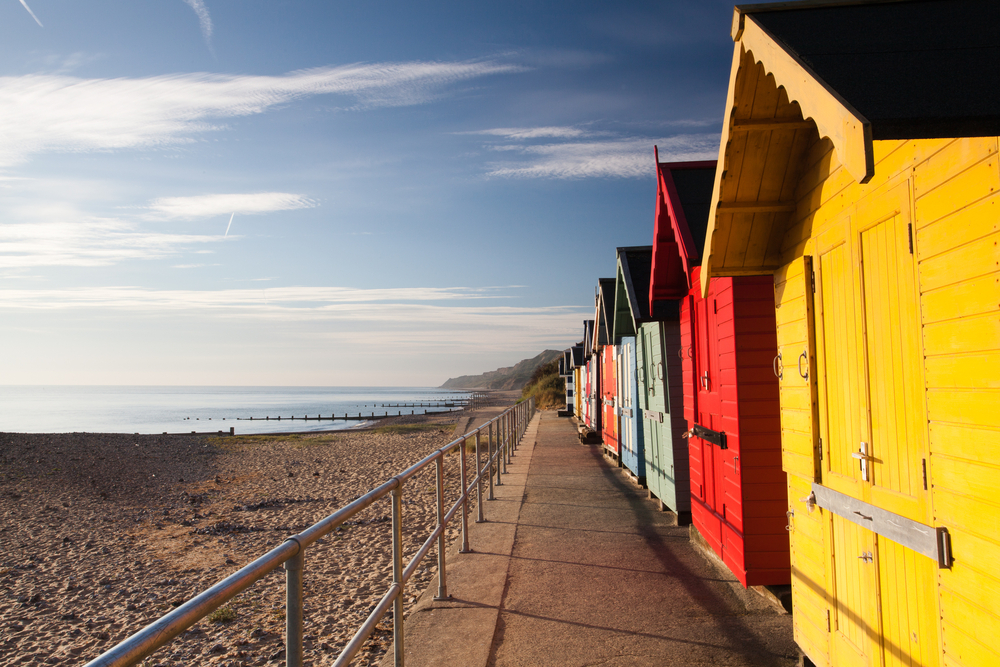
Can You Live and Sleep in a Beach Hut?

Can You Live and Sleep in a Beach Hut? 500 334 James Hallam

Can you sleep in a beach hut? More than that, can you live in a beach hut?

Local councils set the rules for what is and is not allowed in the beach huts in their area, and there are often strict regulations regarding overnight stays.

This means it is very unlikely that the council will allow you to use your beach hut as a permanent residence.

Can You Sleep in a Beach Hut?

If you buy a beach hut, you will have to contact your council to license it for overnight stays. They may require you to install certain features to ensure your beach hut is suitable for overnight stays. These might include plumbing, electricity, and certain security and weatherproofing features. It is for this reason that most councils do not permit overnight stays in beach huts.

The sort of beach huts that can accommodate overnight stays tend to be larger than average – more like small chalets than traditional “bathing huts”.

Find your local council here. Your local Beach Hut Association will also be able to advise.

What If I Want to Rent Out My Beach Hut?

If you want to rent out your beach hut for overnight stays, once again, you need to speak to your local council, and your local Beach Hut Association. There will be regulations for how long you can let your beach hut. For example, the licence may only allow overnight stays in specified months of the year – usually between March and October.

Or your council may have a “daytime only” policy. This may specify the hours when your guests will be allowed to use your beach hut. Many councils allow guests to arrive from 6.00 am, while requiring them to leave by 10.00 pm.

Can You Live in a Beach Hut?

If you can sleep in a beach hut, then surely you can also live in it, for extended periods? Once more, the rules will vary by location. Talk to your local council, and your local Beach Hut Association about the rules in your location. Unfortunately, it is very unlikely that your council will permit you to use your beach hut as a permanent residence all year round, as most restrict stays to a seasonal period.

The question is, even if the council does allow you to live in your beach hut, would you want to?

Most beach huts are tiny, measuring around 6 ft². So, even if you install plumbing and electricity, and somehow find room for a kitchen and a bathroom, your beach hut will likely feel too cramped and uncomfortable to call a home.

Some people have tried to live in their beach huts. One family did so, and described the experience as “just horrendous”.

Why Are There Such Tight Restrictions for Beach Huts?

It is usually because of the risks involved. Beach huts are exposed to the elements all year round. High winds and stormy seas can cause significant damage. There have even been instances of entire rows of beach huts getting swept out to sea during a storm.

Add to this the risk of crime, and it is perhaps understandable why many councils are reluctant to allow people to stay overnight in beach huts.

Is Your Beach Hut Safe?

If you own a beach hut, you will have to take steps to secure your property against the elements, and against vandalism and break-ins.

Security and weatherproofing systems are important. But it is also important that you get adequate insurance for your beach hut. Read our full guide to beach hut insurance.

James Hallam is an independent Lloyd’s broker with a dedicated team of experienced insurance professionals who specialise in getting you the cover you need at a competitive price.

We provide a specialist beach hut insurance scheme and are experts in this market. We will ensure you get full cover for your beach hut, no matter its size or location, and no matter how you use it.

Learn more about our specialist beach hut insurance and get a free quote today.
 

Do I Need Planning Permission For a Shepherd’s Hut?

Do I Need Planning Permission For a Shepherd’s Hut? 500 334 James Hallam

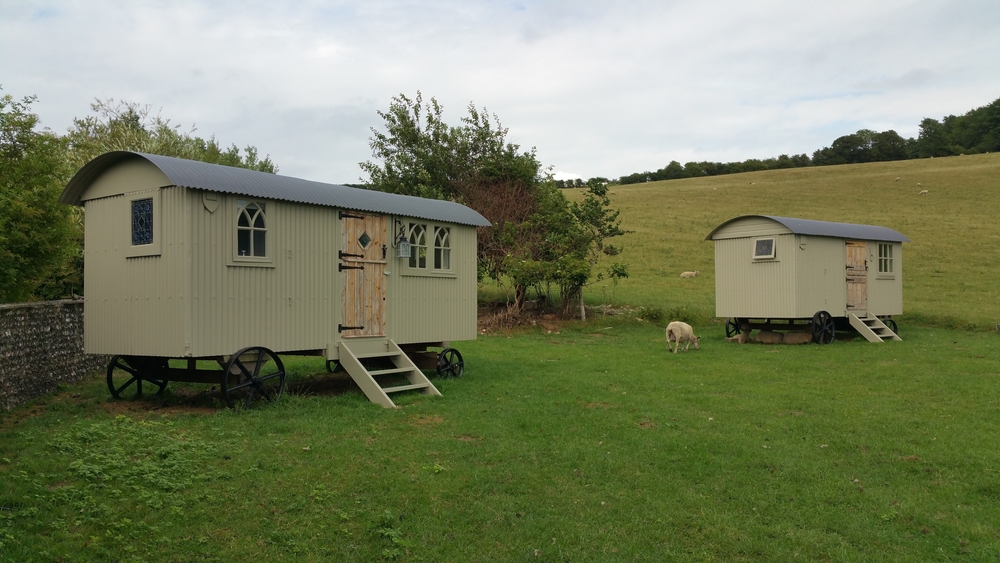
Do you need planning permission for a shepherd’s hut? It depends on a few things, such as where you want to build the hut, and how you intend to use it.

In this post we will explore some situations where you probably will not need planning permission for a shepherd’s hut. We will also discuss some situations where you might need some form of permission.

How Personal Use and Permitted Development Applies to Shepherd’s Huts

If you plan to build a shepherd’s hut on your own land – such as in your back garden – and if the hut is just for your personal use, then you may not need any planning permission.

A shepherd’s hut is classed as an outbuilding. Most homeowners have “permitted development” rights for certain types of outbuildings, including sheds, cabins, summerhouses, and shepherd’s hut. Among these permitted rights is a right to proceed with construction without getting planning permission.

Shepherd’s Hut Permitted Development Criteria

For permitted development rights to apply, there are certain criteria that your shepherd’s hut must satisfy:

  • It must be for personal use only. You cannot rent it out to others.
  • It must be built to the side or the back of your house. You cannot build it in your front garden, or anywhere else in front of your house.
  • If you are going to build the shepherd’s hut within two metres of your house boundaries, then it must not exceed 2.5 metres in height. If you are building the shepherd’s hut two metres or further from your house boundaries, then its eaves cannot be higher than 2.5 metres, and the highest point of its roof must not be more than four metres from the ground.
  • The shepherd’s hut, along with other outbuildings and developments, cannot take up more than 50% of your land beyond your home. This might not be an issue if you have a large garden, or an extensive plot of land. But if you already have sheds or other outbuildings on your land, you may have to demolish some older structures before you add anything new.

You can read the full government permitted development rights guidelines.

Properties Excluded From Permitted Development Rights

You may not have permitted development rights if your property is a listed building, or if it is located in a conservation area, an area of outstanding natural beauty, or a national park.

If your property is a listed building, or if it is located in any such area, then you should seek guidance and permission before you consider building a shepherd’s hut.

When Will You Need Planning Permission For Your Shepherd’s Hut?

You may need planning permission for your shepherd’s hut if:

  • The hut would not meet any of the criteria outlined above.
  • You intend to make money from your shepherd’s hut.

Permitted development rights do not extend to any structures you build for commercial use. This includes building shepherd’s huts for use as holiday accommodation. It may also include building a commercial hut to use as a home office, or as the premises for a home business.

Often, you may not necessarily need planning permission for the hut itself. The permission will be for “change of use” – meaning that you will be applying to change the use of your land from domestic, or agricultural, to commercial. This means that you will likely need to seek permission to build a shepherd’s hut on a plot of land that is separate from your main domestic property.

How To Get Planning Permission For Your Shepherd’s Hut

First, contact your local planning authority. You can find contact information for your local planning authority on the Planning Portal.

Tell your local planning authority about what you intend to build, where you intend to build it, and how you intend to use it. They will then be able to advise you on the type of application you may need to put together, including the key documents and drawings you will need to supply.

You may have to pay certain fees as part of the planning process. The planning authority may come back to you with questions about your application, and with requests for additional information.

What Else Will I Need To Build a Shepherd’s Hut?

Beyond planning permission, the most important thing to consider is insurance.

It is a very good idea to get dedicated insurance for your shepherd’s hut, regardless of where you build it, and how you intend to use it.

You will certainly need specialist insurance if you plan to lease your hut to holidaymakers. But even if you are building a shepherd’s hut for personal use in your back garden, a dedicated policy will help fill any gaps in cover that are not provided by your main home insurance policy.

Learn more about shepherd’s hut insurance, and what it covers.

Get Specialist Shepherd’s Hut Insurance From James Hallam

James Hallam is an independent Lloyd’s broker with a dedicated team of experienced insurance professionals who specialise in getting you the cover you need at a competitive price.

We will ensure you get full cover for your shepherd’s hut, wherever you build it, and however you use it. We will cover you whether you keep your shepherd’s hut on your own land, or on a separate plot of land.

Learn more about our specialist shepherd’s hut insurance and get a free quote today.
Do I Need Insurance For a Beach Hut?

Do I Need Insurance For a Beach Hut? 500 306 James Hallam

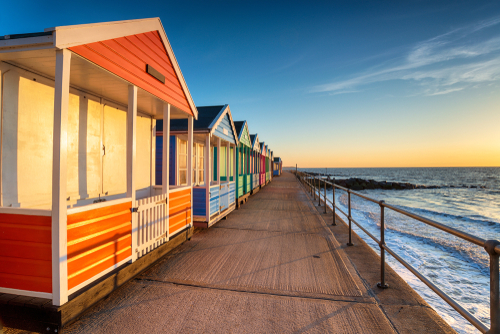
If you have invested in a beach hut, then it is essential that you get adequate insurance cover. Whether you rent your beach hut, or own it outright, and whether you use your beach hut for business or for pleasure, specialist beach hut insurance can give you cover for a range of risks.

Why You Need Beach Hut Insurance

As they are located directly on the seafront, beach huts can be exposed to harsh weather conditions all year round. Through the winter months, this can include high winds, freezing temperatures, and heavy precipitation.

Also, as beach huts are typically made out of wood, they are vulnerable to fire.

Finally, if you store high value items in your beach hut, there is the added risk of theft.

Insurance can cover you for all of these risks, and more.

Can Home Insurance Cover my Beach Hut?

However, your standard property insurance is unlikely to extend to your beach hut. In fact, the risks for beach huts can be so high that some insurers may be unlikely to cover them at all. This is why you will need specialist beach hut insurance to ensure you get all the cover you need.

What Type of Insurance do I Need for a Beach Hut?

Some local councils may stipulate that you need certain types of cover in place for your beach hut. For more information, contact your local council. In our experience, many councils require you to have public liability insurance up to £5 million as part of your licence. For this reason, even if you don’t own the beach hut or do not want to insure the building, we provide an option where you can take out an insurance policy covering just the contents and public liability.

What Does Beach Hut Insurance Cover?

  • Property cover – Cover for structural damage as a result of storms, flooding, or other severe weather events. It can also include cover for damages resulting from break-ins or vandalism.
  • Contents cover – Your beach hut insurance policy can include cover for any items you store within your beach hut, including furniture and sport equipment.
  • Public liability cover – If you rent out your beach hut to holidaymakers, or even if you invite guests over, public liability insurance can cover members of the public for any injuries they may sustain in or around your beach hut.

How Much Is Beach Hut Insurance?

The amount you pay for your beach hut insurance will depend on a number of factors:

  • Your hut’s location. You may have to pay more for your insurance if your hut is located in an area that is prone to flooding, or if it is in an area with high crime rates.
  • How you use your hut. Do you use it yourself, or do you rent it out to others? Do you use it purely for leisure purposes, or do you run a business from your beach hut? All of these factors, and more, can affect the price of your policy.
  • The size of your hut. A small hut will cost a lot less to insure than a large hut fitted with plumbing and cooking facilities.

You may be able to get a discount on your beach hut insurance if you:

  • Are a member of a beach hut association.
  • Take out a combined policy (i.e. buildings and contents cover on the same policy).

Get Specialist Beach Hut Insurance From James Hallam

James Hallam is an independent Lloyd’s broker with a dedicated team of experienced insurance professionals who specialise in getting you the cover you need at a competitive price.

We provide a specialist beach hut insurance scheme and are experts in this market. You will deal directly with our dedicated team, whether you are a new or existing customer, and in the event of a claim.

We will ensure you get full cover for your beach hut, no matter its size or location, and no matter how you use it.

Learn more about our specialist beach hut insurance and get a free quote today.