
High Networth

Preparing Your Home for Winter: Essential Steps to Stay Warm and Safe

Preparing Your Home for Winter: Essential Steps to Stay Warm and Safe 700 515 James Hallam

As the colder months approach, preparing your home for winter becomes essential to ensure your comfort and safety and to maintain energy efficiency. Winter weather can bring freezing temperatures, storms, and other hazards, so taking a few proactive steps now can help to protect your property and avoid costly repairs down the line.

How to Keep Your Home Warm and Safe in Winter

Here are some key tips to prepare your home for the winter season. 

  1. Inspect Your Heating System

One of the most important steps in preparing for winter is ensuring that your heating system is in good working order. Schedule a professional service to inspect and clean your furnace, boiler, or heat pump. Replacing filters regularly and checking thermostats can also improve efficiency. If your heating system is outdated, consider upgrading to a more energy-efficient model, which could save you on energy bills in the long run. Test your heating system before the weather turns too cold to ensure that any repair works required can be competed without too much inconvenience or discomfort.

  1. Insulate Your Home

Proper insulation is crucial for keeping your home warm and reducing energy costs during winter. Check for any gaps or cracks around windows, doors, and walls where warm air might escape. Use weatherstripping or caulk to seal these areas, and if necessary, add extra insulation in the attic and basement. Double-glazed windows can also help retain heat and prevent draughts.

  1. Clean and Maintain Gutters

Falling leaves and debris can clog gutters, leading to water backup and potential ice dams when temperatures drop. Make sure to clean your gutters thoroughly and check that they’re securely fastened. Properly functioning gutters will direct water away from your home, preventing leaks and potential damage to your roof and foundation.

  1. Protect Pipes from Freezing

Frozen pipes are a common problem in winter, and they can burst, causing significant water damage. Insulate exposed pipes in areas like basements and lofts. Know where your main water shut-off valve is in case of an emergency and consider installing a Leak Detection Device/Prevention system.

  1. Check Your Roof for Winter Damage

Winter storms can take a toll on your roof, so it’s important to inspect it before the season starts. Look for any loose or damaged tiles and have them repaired to prevent leaks. If your roof is old or showing significant wear, consider hiring a professional to inspect it and make any necessary repairs. Proper roof maintenance can help protect your home from heavy snow, ice, and water damage.

  1. Test Alarms and Detectors

Winter often means more time spent indoors, so it’s essential to ensure your smoke alarms and carbon monoxide detectors are functioning properly. Replace batteries if needed and test the devices to make sure they are working. If you have a fireplace or use a wood stove, cleaning the chimney and ensuring proper ventilation is critical for avoiding fire hazards and carbon monoxide build-up.

Ensure you have adequate home insurance

Your home insurance is also an essential part of ensuring your property is protected should the worst happen. If you have any concerns or queries on your insurance cover please don’t hesitate to speak to us.

You can call any of the team on 0203 002 9859 or email pcl@jameshallam.co.uk.

luxury car snow

Do You Need to Change to Winter Tyres in the UK?

Do You Need to Change to Winter Tyres in the UK? 800 450 James Hallam

As winter approaches, the question of whether to switch to winter tyres often comes up. In this post, we explore what they are and whether you need them. 

What are Winter Tyres?

Winter tyres are specifically designed to perform better in cold weather, snow, and icy conditions, thanks to their softer rubber compounds and deeper tread patterns. But is it necessary to switch to winter tyres in the UK?

Do I Need to Switch to Winter Tyres?

The answer depends on a few factors, including where you live, how often you drive, and the typical weather conditions in your area.

Weather Conditions in the UK

The UK has fairly mild winters compared to some European countries, but conditions can still vary significantly across regions. In areas like Scotland, Northern England, and rural locations, where winter often brings snow, frost, and icy roads, winter tyres can make a significant difference. These tyres provide better grip and handling in temperatures below 7°C, which is common in these areas during winter. They also offer improved braking distances on snowy or icy roads, making driving safer.

For drivers in southern or urban parts of the UK, where winter tends to be milder with more rain than snow, winter tyres may not be as essential. In these cases, well-maintained all-season tyres or standard tyres could suffice, especially if your car rarely faces extreme winter conditions.

Your Driving Habits

Your driving patterns are another important consideration when deciding whether to switch to winter tyres. If you frequently drive on rural, untreated roads in winter, winter tyres are highly recommended. Their design helps maintain traction on slippery roads, offering better control and reducing the risk of accidents.

For those who drive mostly in urban areas, where roads are gritted and salted regularly, winter tyres may not be necessary. However, they can still provide an extra level of safety during cold snaps or unexpected icy conditions.

Legal and Practical Considerations

In the UK, there is no legal requirement to fit winter tyres. However, if you travel to countries where winter tyres are mandatory, such as Germany or Austria, you will need them to comply with local regulations during the winter months. If you live in the UK but frequently travel to regions with harsher conditions during winter, winter tyres are a wise investment.

Can I Use Summer Tyres in Winter?

This will depend on the answers above in terms of where in the UK you live, what types of roads you drive on and whether you’re likely to leave the country at any point. An alternative is to consider all-season tyres. These tyres are designed to provide good performance throughout the year and offer a balance between summer and winter tyres. While they won’t perform as well as dedicated winter tyres in snow or ice, they can still offer improved safety over standard tyres during colder months.

Need advice on your car insurance requirements?

If you have any concerns or queries on your insurance cover please don’t hesitate to speak to us.
You can call any of the team on 0203 002 9859 or email pcl@jameshallam.co.uk

For tips on how to prepare your home for winter click here.

patek philippe

John Lennon’s Patek Philippe: The Importance of Knowing Your Jewellery’s True Value

John Lennon’s Patek Philippe: The Importance of Knowing Your Jewellery’s True Value 700 595 James Hallam

John Lennon’s Patek Philippe, an iconic timepiece worn by one of the most influential musicians in history, recently made headlines due to its remarkable value. More than just a luxury watch, it represents a piece of cultural history, deeply connected to Lennon’s life and legacy. This example highlights a key truth—jewellery and timepieces often carry value beyond what meets the eye. Understanding the true worth of your items, whether they are historical pieces or family heirlooms, is crucial for protecting and appreciating them fully.

How Much is John Lennon’s Patek Philippe Worth?

Bought for $25,000 in 1980, estimates are currently putting the watch’s value at anywhere between $10 and $40 million.

Why John Lennon’s Watch is So Valuable

Lennon’s Patek Philippe isn’t just a high-end watch—it’s a rare collector’s item, deeply intertwined with the legacy of The Beatles. Its value extends beyond its craftsmanship to include the cultural significance of its owner. When high-profile pieces like this are sold, they command incredible prices due to their provenance. This concept—where an item’s history adds to its financial value—applies not only to celebrity-owned items but also to your own jewellery.

Beyond Sentiment: The Importance of Knowing Your Jewellery’s Worth

While many people focus on the sentimental value of their jewellery, understanding its financial worth is equally important. Whether it’s a wedding ring or an inherited piece, the monetary value can often be much higher than you think, especially if the market for metals or gemstones has changed.

Take John Lennon’s watch as an example. Its value is far greater today due to its historical significance and the increasing interest from collectors. In the same way, the pieces in your own collection may have appreciated, and without regular appraisals, you could be underinsuring or undervaluing them.

How to Protect Your Jewellery Investments

Jewellery values fluctuate over time, and an item that was worth one price when first bought may now be worth much more. Many people unknowingly underinsure their valuables, often forgetting about hidden treasures in the attic, which can be a costly mistake if these items are lost, stolen, or damaged. Regular valuations ensure that you stay up to date with your jewellery’s market value, protecting your investment for the future.

How Important is Provenance in Value?

Provenance, or the story behind an item, plays a significant role in determining its worth. John Lennon’s Patek Philippe is valuable not just because of its materials but because it was worn by a music legend. Even for family heirlooms, knowing their history can enhance their market value, making them more than just sentimental keepsakes.

Whether you own a piece of cultural history or a family heirloom, knowing its true value is essential. Regular valuations help protect your investment, ensuring that you’re prepared in case of loss, and fully appreciating both the financial and emotional worth of your treasured items.

Get in touch

If you have any concerns or queries on your insurance cover please don’t hesitate to speak to us.
You can call any of the team on 0203 002 9859 or email pcl@jameshallam.co.uk

How to Avoid Underinsurance: Why Proper Cover is Essential for Your Home and Contents

How to Avoid Underinsurance: Why Proper Cover is Essential for Your Home and Contents 800 533 James Hallam

Underinsurance in home and contents insurance is a serious issue that many homeowners overlook, often without realising the risks until it’s too late.

What is Underinsurance?

Underinsurance occurs when the value of your property or possessions exceeds the cover in your insurance policy, leaving you under-protected in the event of a claim. For high-net-worth individuals with valuable homes and possessions, underinsurance can lead to significant financial losses.

Understanding how to calculate the right level of cover is crucial to ensure you’re fully protected.

Why Underinsurance is a Growing Problem

Many homeowners assume that the cover they initially purchased will suffice over time. However, the value of your home and possessions can change significantly as reported in an article by Ecclesiastical. Property values fluctuate, the cost of building materials rises, and homeowners often acquire new and valuable items without updating their policies. The result is a gap between what is covered and the actual replacement or reinstatement cost.

How to Calculate the Right Level of Home Insurance Cover

  1. Reinstatement Costs: Many homeowners are unsure on how to suitably insure their property, and some may use its market value rather than the cost to reinstate, which is a common cause of underinsurance. Reinstatement costs include factors like construction materials, labour, demolition and site clearance expenses as well as VAT, which can vary depending on location and inflation. Always ensure your policy reflects the full reinstatement cost of your home. If you are unsure, discuss this with your insurance broker and consider having your property surveyed.
  2. Contents Valuation: Accurately valuing your contents is essential. It’s easy to underestimate the value of personal items, especially when considering high-value items like jewellery, art, antiques, or bespoke furniture. Conduct an inventory of your possessions and update your policy to reflect any new purchases or acquisitions. Ensure that regular valuations are undertaken for valuable items such as jewellery and art.
  3. Specialised Items: High-net-worth individuals often own rare or unique items that may require specialised coverage. Standard insurance policies may not cover the full value of luxury watches, rare artworks, or vintage cars. In these cases, working with a specialist insurance provider to assess the true value of these items is essential.
  4. Regular Reviews: Your insurance coverage should not remain static. Regularly reviewing your policy ensures it keeps pace with changes in the value of your home, possessions, and even fluctuating market conditions.

How an Insurance Broker Can Help

Underinsurance is preventable, but it requires regular attention to the value of your property and possessions. Taking the time to accurately assess reinstatement costs, the value of your contents, and specialised items will give you peace of mind knowing that your home and everything within it is suitably protected. By working closely with James Hallam, you can ensure that your policy provides the right level of coverage, preventing any financial shortfalls in the event of a claim.

Get in Touch

If you have any concerns or queries on your insurance cover please don’t hesitate to speak to us.
You can call any of the team on 0203 002 9859 or email pcl@jameshallam.co.uk.

flooded homes

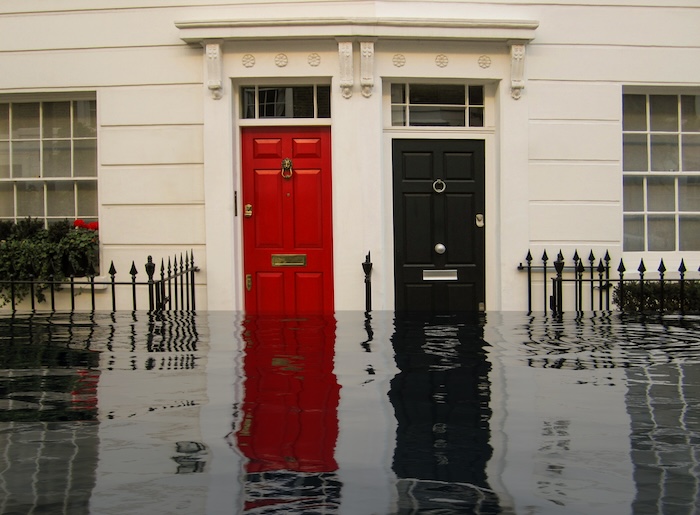
Protect your home from flood water

Protect your home from flood water 700 515 James Hallam

The UK has been hit by relentless heavy rain over the past week, causing widespread disruption and flooding concerns. Areas across England and Wales have seen record-breaking rainfall, with some regions experiencing over two months’ worth of rain in just a few days. Locations like Woburn in Bedfordshire, for example, recorded a staggering 147.4mm of rainfall, more than double their September average, leading to severe local flooding​.

The Met Office has issued multiple weather warnings, including amber alerts for heavy rain, particularly affecting the Midlands, East Anglia, and southern parts of the country. The combination of already saturated ground and further rainfall has heightened the risk of flash flooding, with significant disruptions expected to continue in the coming days. Towns and cities across the UK are bracing for the impact, and many homes and businesses are at risk​.

If you are in Scotland, stay informed on the latest flood warnings by checking updates from SEPA (Scottish Environment Protection Agency). Be prepared for flooding by knowing your flood risk, staying up to date with the current situation, and seeking advice on what actions to take when flooding is expected.

Reducing the Risk of Flooding to Your Home

With flooding a real threat, especially in areas already hit hard by the deluge, there are several steps we at James Hallam would recommend homeowners take to minimise damage to property and belongings:

  1. Move Valuables to Higher Ground: If flooding is imminent, move important items, such as electronics, documents, and sentimental belongings, upstairs or to a higher level in your home.
  2. Block Entry Points: Use towels or blankets to block gaps under doors and windows. If you have sandbags or flood boards, place them at doorways, air bricks, and other entry points.
  3. Shut Off Utilities: Turn off gas, electricity, and water at the mains if flooding is likely. This can prevent damage to systems and reduce the risk of electrical accidents.
  4. Clear Drains and Gutters: Ensure that external drains and gutters are free of debris to allow water to flow away from your property more effectively.
  5. Place Furniture on Blocks: Raise heavy furniture, like sofas or tables, onto bricks or blocks to prevent them from soaking up floodwater.
  6. Use Plastic Bags for Protection: Place important documents, clothing, and other valuables in waterproof plastic bags to keep them dry.

Protecting Your Car from Flood Damage

Cars are particularly vulnerable in heavy rain and flooding situations. Here’s how to safeguard your vehicle:

  1. Avoid Driving Through Floodwaters: It’s a common mistake to try to drive through waterlogged roads. Even just a foot of water can be enough to cause a car to float, risking both the vehicle and passengers.
  2. Move Your Car to Higher Ground: If flooding is forecast, park your car on higher ground, away from rivers or low-lying areas that could quickly flood.
  3. Seal Your Car: Ensure windows are fully closed, and doors are tightly shut if you’re forced to leave your car in a potentially flood-affected area. Water can quickly seep in and cause extensive damage to both the engine and the interior.
  4. Check Your Insurance Policy: Some car insurance policies include flood cover, but it’s always worth double-checking to ensure your car is fully protected against water damage. If your policy doesn’t cover floods, consider updating it.

What lies ahead

 The BBC is predicting more rain is on the way and authorities continue to stress caution. Keep updated with local flood alerts and avoid travelling through affected areas where possible. If you’re in a flood-prone area, stay prepared, take protective measures, and don’t hesitate to seek support when needed.

We’re here to support you

If you have been affected by the storms and flooding, you don’t have to navigate the recovery process alone. We are available to offer support during these difficult times. Whether you need to make a claim, what to check your cover or would like insurance advice, please get in touch.

You can call our London team on 0203 002 9859 or email pcl@jameshallam.co.uk.

Storm Lilian Update

Storm Lilian Update 1000 667 James Hallam

Storm Lilian is forecasted to arrive on Friday, with Northern England, Wales, and parts of Southern Scotland expected to be the hardest hit. With potentially dangerous gusts on the way, we encourage you to take a few precautions.

Take Precautions Now to Minimise Risks

We recommend checking your property for any last-minute fixes that could help reduce potential damage.

  1. Secure Outdoor Items: Bring in or tie down garden furniture, bins, and any loose items that could become projectiles in strong winds.
  2. Inspect Roof and Gutters: Check for loose or damaged roof tiles and clear gutters to prevent water buildup.
  3. Check Windows and Doors: Ensure all windows and doors are properly sealed and locked to prevent wind and water from entering.
  4. Trim Trees and Shrubs: Cut back any overhanging branches that could break and cause damage during the storm.

We are Here to Help

If you suffer damage from the storm, our team is ready to support you. You can call our London team on 0203 002 9859 or email pcl@jameshallam.co.uk

What is High Net Worth Home Insurance and How Does It Work?

What is High Net Worth Home Insurance and How Does It Work? 800 533 James Hallam

Most home insurance policies place strict limits on the cover they provide for your building, your contents, or both. If you have a particularly valuable property, contents, jewellery or artwork then most off the shelf home insurance policies will not provide the level of cover you need.

This is where high net worth home insurance comes in. These specialist policies are for homeowners requiring cover beyond the limits of a standard home insurance policy.

What is High Net Worth Home Insurance?

A high net worth home insurance policy can include a combination of covers for your main home, second homes, holiday homes, overseas homes, contents, fine art, antiques, collectables, precious metals, jewellery & watches, renovations and contract works.

High Net Worth Buildings Insurance

High Net Worth buildings insurance provides cover for the cost of any repairs required in respect of your property’s structure and whilst you insure your home for the total amount it would cost to rebuild it, in many cases the sum insured is extended beyond what is shown within your policy schedule if a property survey has been undertaken within the preceding 5 years.

What Home Value Requires a High Net Worth Policy?

Many standard home insurance policies will only cover properties with a reinstatement sum insured up to a maximum of £1,000,000. If your reinstatement sum exceeds this level you will require a high net worth home insurance policy.

High Net Worth Contents Insurance

High Net Worth contents insurance provides cover for items within your property, generally with no single article limit, and anywhere in the World when temporarily removed from the home.

What Contents Values Require a High Net Worth Policy?

Again, most standard home insurance policies will set strict limits on the amount of cover they provide for your home contents with a maximum level of cover of £100,000 being provided. The single article limits applicable to general contents is usually between £1,000 and £2,500 and can also apply to your items of fine art, antiques, jewellery & watches. This is far higher with a High Net Worth Insurance Policy and usually set at £25,000 and above.

The Benefits of High Net Worth Home Insurance

You need a home insurance policy you can depend on. You need peace of mind that, if you ever need to make a claim on your policy, you will receive a fair and quick settlement.

If your home would cost more to rebuild than the average UK home, then a standard home insurance policy may not provide the cover you need for repairs following fires, floods, and break-ins. Similarly, if your home is a period property, or it has non-standard features such as a thatched roof or solar panels, a standard home insurance policy might not give you sufficient cover.

Talk To James Hallam About Your High Net Worth Insurance Needs

James Hallam is an independent Lloyd’s broker with a dedicated team of experienced insurance professionals who are committed to getting you the cover you need.

Talk to us, and we can help to ensure you have suitable cover to protect your home and contents. We will take the time to understand your lifestyle, the risks you face, and what is most important to you. If you ever need to make a claim, you can trust us to assist insurers in delivering a fast, fair, and efficient settlement.

Get in touch for a free quote today.

antiques

Unlocking Hidden Treasures: The Value of ‘Cash in the Attic’

Unlocking Hidden Treasures: The Value of ‘Cash in the Attic’ 600 400 James Hallam

Many of us have attics, garages, or spare rooms filled with forgotten items and family heirlooms. The concept of “cash in the attic” taps into the idea that these neglected spaces might hold hidden treasures of significant value. This notion isn’t just a fanciful thought but a reality for many who have discovered that old possessions can be worth a small fortune.

How to Understand the Value of Your Items

Often, we overlook the potential value of items inherited or collected over the years. Antique furniture, vintage jewellery, rare books, and even old toys can hold considerable worth. The key to uncovering this hidden wealth lies in proper appraisal. Professional valuation services can assess the true market value of your items, helping you understand their value and the best way to protect and manage these assets.

The Benefits of a Professional Appraiser

Engaging a professional appraiser ensures that every item is carefully examined and accurately valued. This process can reveal the historical significance, rarity, and market demand for each piece. An accurate appraisal not only satisfies curiosity but is also crucial for insurance purposes.

Examples of Valuable Items to Look Out For

  • Antique Furniture: Pieces from specific periods or crafted by notable makers. An old, intricately designed chair or table might be more valuable than you think.
  • Vintage Jewellery: Items made from precious metals and stones or unique designs. A seemingly ordinary brooch could be a rare designer piece worth thousands.
  • Rare Books: First editions, signed copies, or historically significant texts. That dusty book collection could contain a rare edition that collectors would pay a premium for.
  • Old Toys: Collectibles, especially in good condition and from popular eras. Original action figures or dolls in mint condition are highly sought after.
  • Artwork: Paintings, drawings, or prints that might be rare or by renowned artists. Even an unassuming sketch could turn out to be a valuable piece of art.

Discovering valuable items can be an emotional journey, connecting us to our past and the stories of previous generations. It’s a unique way of preserving heritage while potentially reaping financial benefits. In some cases, what seems like a dusty old painting or a tarnished piece of silver could be a collector’s dream.

Understanding Provenance

Beyond the monetary aspect, the process of uncovering and valuing these items can lead to fascinating historical discoveries. Items that have been passed down through generations may have stories attached to them that are worth exploring. Understanding the provenance of an item can increase its value and make the selling process smoother.

Ultimately, “cash in the attic” reminds us that treasures can be found where we least expect them. By taking the time to explore and appraise our stored belongings, we might not only find financial gain but also a deeper appreciation for the history and memories embedded in these items. Taking a fresh look at what we own and seeking professional guidance can unlock hidden value and provide a sense of fulfilment and connection to our heritage.

Get in touch

If you have any concerns or queries on your insurance cover please don’t hesitate to speak to us.
You can call any of the team on 0203 002 9859 or email pcl@jameshallam.co.uk

watch collection

How Often Should You Have Valuable Items Valued?

How Often Should You Have Valuable Items Valued? 600 400 James Hallam

In the world of insurance and asset protection, valuations are a key topic of discussion. But what exactly is a valuation, and why is it so important?

What is a Valuation?

A valuation is an expert assessment of the value of an item, carried out by a professional with extensive experience and specialised training. This expert will consider various factors including the current market value, condition, provenance, and material of the item. The result is a “Retail Replacement” value, which represents the cost to replace the item with a similar one in the event of a loss.

Why are Valuations Important

  • Accurate Insurance Coverage: The primary purpose of a valuation is to ensure that your valuables are insured for their true worth. This prevents the risk of underinsurance, which can lead to significant financial loss if an item is damaged or stolen.
  • Claims Settlement: In the unfortunate event of a loss, a professional valuation provides solid evidence to support a full claims settlement, ensuring you receive the appropriate compensation.
  • Estate Planning and Inheritance: Valuations are also useful for making wills and understanding the value of inherited items.
  • Market Insight: Regular valuations provide insights into the current market value of your items, which can fluctuate significantly over time.

How Often Should Watches and Jewellery Be Valued?

The frequency of updating valuations depends on the item to be valued and market conditions. For example:

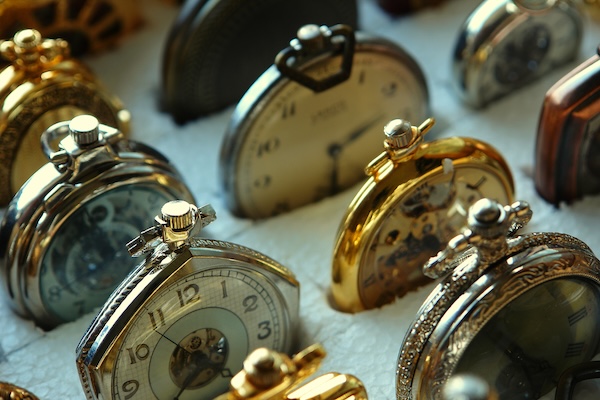
  • Luxury Watches: Given the volatile nature of the luxury watch market, an annual valuation is advisable.
  • Jewellery: Jewellery should be revalued every two years to ensure it is not underinsured due to rising market values.

What is Underinsurance?

Underinsurance occurs when an item is insured for less than its replacement cost. This often happens due to outdated valuations or incorrect initial assessments. In the event of a claim, underinsurance can result in receiving a much lower payout than needed to replace the item or less than you would need for an item to be repaired or restored.

How to Avoid Underinsurance

  • Regular Updates: Ensure your valuations are updated regularly, considering market changes and the specific type of item.
  • Professional Advice: Consult with professional valuers who have the necessary expertise and can provide comprehensive valuation reports.

Choosing a Professional Valuer

When selecting a valuer, consider the following:

  • Expertise and Training: Ensure the valuer has specialised knowledge relevant to your items.
  • Professional Indemnity Insurance: Verify that the valuer has adequate insurance coverage.
  • Reputation and Reviews: Look for valuers with a strong reputation and positive reviews.

Regular valuations are essential for protecting your valuable assets, ensuring your insurance cover is right, and providing you with peace of mind. By staying informed and proactive about valuations, you can safeguard your possessions and be prepared for any eventuality.

Get in touch

If you have any concerns or queries please don’t hesitate to speak to us.
You can call any of the team on 0203 002 9859 or email pcl@jameshallam.co.uk

Home renovation, Apartment room during refurbishment

3 things to do before making home improvements

3 things to do before making home improvements 1000 667 James Hallam

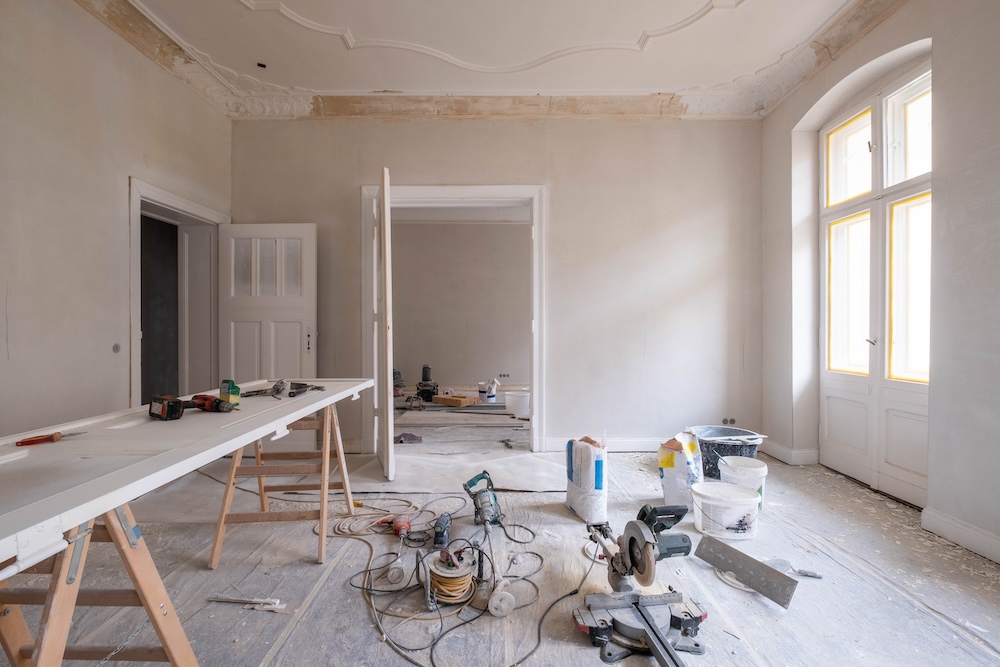
Whether you’re renovating the entire house, updating your kitchen or installing a new home cinema, here are three things you’ll want to do before you get started.

1. Get into the Details

Your project may seem quick and easy, but before you get started, make sure you’ve gone through the details:

How to plan a home improvement project:

  • What’s the goal of the project? If you want to increase the resale value of the home, make sure you don’t add so many expensive improvements that you can’t recoup the cost.
  • Will you need a permit or a specialist to help? Even do-it-yourselfers often need experts – plumbers, electricians – and many seemingly small projects need permits as well.

2. Find the Right Contractor

One of the best ways to find a contractor you can trust is to ask friends or family for recommendations.

Questions to Ask a Contractor for Home Improvements

If you’re not sure the contractor is the right one for your job, ask questions:

  • What kinds of projects do you specialise in?
  • Do you use subcontractors, and if so, how are they chosen?
  • Can you provide proof of insurance to protect you and your other workers?
  • Do you have customer references?
  • Are you contracted to ensure the job is completed on time?
  • Can I see your “certificate of liability” to make sure your insurance limits are high enough for my project?

3. Review the Remodelling Contract

Always make sure you understand and are comfortable with the remodelling contract provided by your contractor before you proceed with the project. You may even want to have a solicitor/lawyer look it over, to make sure it is clear and covers what you need. For example, make sure your contract does not contain a section on “waiving your right to subrogation.” If the contractor is negligent, and you had signed a waiver like this, you couldn’t recover your losses from a third party if you needed to take legal action against them.

What Should a Home Improvement Contract Include?

Here’s what a contract should include (at a minimum):

  • The details of the project
  • Start and end dates, including interim dates for multi-phase projects
  • Information about permits, licenses and inspections, and who will be responsible for obtaining them
  • Payment amounts and due dates, warranties and guarantees – experts recommend never paying more than one-third of the total project cost up front. Check with your local government for their regulations.

If you have any concerns or queries please don’t hesitate to speak to us.
You can call any of the team on 0203 002 9859 or email pcl@jameshallam.co.uk